
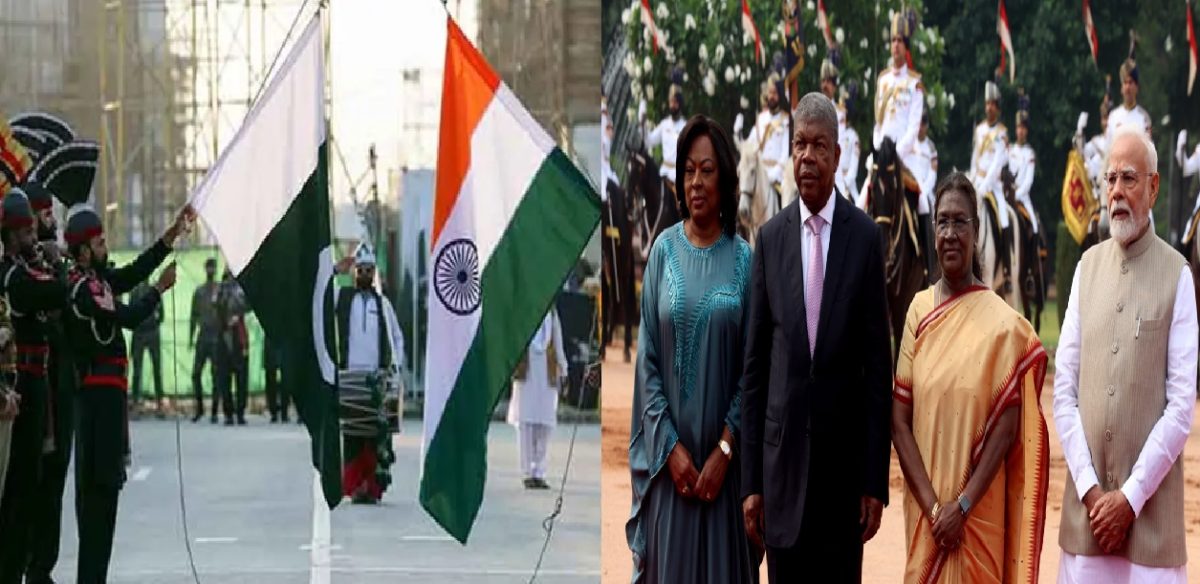
India Suspends All Categories of Mail and Parcel Exchange with Pakistan Through Air and Surface Routes Amid Rising Tensions
In a significant move amid escalating tensions between India and Pakistan, the Indian government has announced the suspension of all categories of mail and parcel exchanges with Pakistan through both air and surface routes. This decision, which impacts postal services between the two nations, reflects the growing strain in diplomatic and security relations following a series of developments that have heightened concerns in both countries.
The Context of the Suspension
The suspension comes at a time when bilateral relations between India and Pakistan have been under considerable stress, primarily due to issues related to cross-border terrorism, territorial disputes, and geopolitical shifts in the region. The decision to halt the exchange of mail and parcels reflects a broader trend in which trade, communication, and cooperation between the two neighbors have been severely curtailed.
India has frequently accused Pakistan of harboring and supporting cross-border terrorism, particularly after the 2019 Pulwama attack, which led to heightened tensions and a military standoff between the two countries. While diplomatic channels have remained open, this suspension of mail and parcel services highlights the increasing mistrust and inability to cooperate on various fronts.
What Does This Suspension Entail?
The suspension of postal exchanges includes all categories of mail, including letters, parcels, and packages, which typically would be exchanged via both air mail and surface transport through trains and trucks. In the past, despite political differences, both countries have had some degree of logistical communication through their postal services, which facilitated both personal and business correspondence, including the exchange of goods and gifts.
This decision effectively closes a key line of communication and trade, especially for individuals and small businesses relying on cross-border exchanges. It is expected to disrupt the movement of packages, including humanitarian aid, which has occasionally crossed the border between the two countries.
While the move primarily affects postal services, the broader implication could be on trade and economic relations. India has already imposed various trade restrictions on Pakistan in the past few years, and the suspension of postal services could further isolate the two nations economically.
International Reactions and Implications
The international community has expressed concern over the growing tension between India and Pakistan, particularly due to the ongoing military standoff and a series of border skirmishes. The suspension of postal exchanges, which might seem like a small logistical decision, can be seen as a reflection of the deepening rift between the two nations.
Some experts argue that such measures may further complicate efforts to bring about peace and dialogue in the region. The United Nations and several other countries have urged both India and Pakistan to pursue peaceful means to resolve their differences and prevent any potential conflict.
Looking Ahead
The suspension of postal exchanges is another sign that the already fragile relationship between India and Pakistan is continuing to deteriorate. While this step may be seen as a necessary measure to ensure national security and protect Indian interests, it further erodes the possibility of engagement between the two countries.
As tensions rise, it remains to be seen how both governments will manage the fallout from this decision. While India’s action is largely seen as a reflection of its security concerns, the international community will likely be watching closely for any further escalation or attempts at de-escalation.
Ultimately, this decision adds another layer of complexity to the already volatile situation between India and Pakistan, leaving open the question of how diplomatic and economic relations can be restored in the future.