
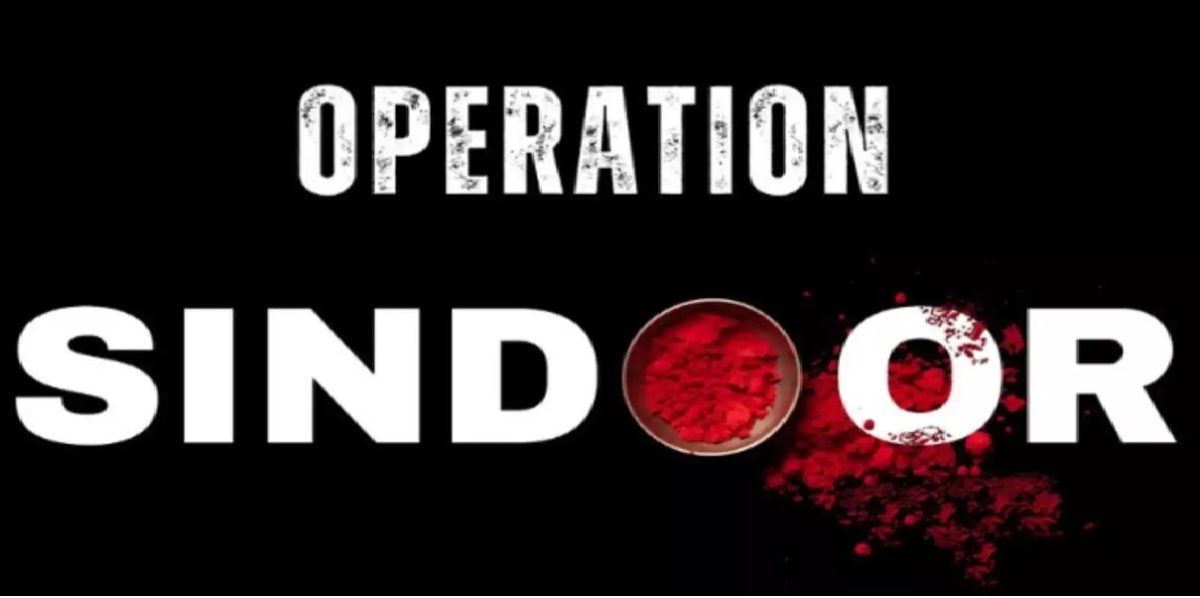
Operation Sindoor: Indian Army Releases Striking Footage of Precision Attacks on Pakistan-Based Terror Camps Amid Rising Tensions
In a dramatic revelation that has drawn international attention, the Indian Army has released high-definition footage of Operation Sindoor, a recently conducted military strike targeting terror camps located across the Line of Control (LoC) in Pakistan-occupied Kashmir. The operation, which was carried out with surgical precision, underscores India’s increasingly assertive stance on cross-border terrorism.
According to defense officials, Operation Sindoor was executed in response to credible intelligence reports indicating the mobilization of terrorist groups planning infiltration into Indian territory. These groups, reportedly backed by Pakistan-based handlers, had been amassing weapons and logistical support in forward areas, posing an imminent threat to national security.
The newly released videos, captured by aerial surveillance drones and thermal imaging cameras, show Indian special forces executing coordinated strikes during nighttime hours. The visuals reveal multiple structures being hit with pinpoint accuracy, followed by secondary explosions suggesting the presence of ammunition or explosives stored within. Military analysts have noted the level of sophistication in the operation, emphasizing the use of real-time intelligence, advanced targeting systems, and stealth tactics.
“This was a pre-emptive and proportionate response,” said a senior Indian Army spokesperson during a press briefing. “India remains committed to peace but will not hesitate to act decisively against threats emanating from across the border.”
The footage has sparked widespread reactions both within India and abroad. While many citizens have lauded the military’s resolve and professionalism, strategic experts have pointed out that this operation sends a strong geopolitical message — that India will not tolerate proxy warfare and state-sponsored terrorism.
On the diplomatic front, the Indian government has briefed several international allies about the operation, highlighting that it was conducted purely in self-defense and targeted non-civilian locations harboring known terrorists. The Ministry of External Affairs reiterated that the objective of Operation Sindoor was not to escalate tensions, but to neutralize a direct threat.
Pakistan, however, has issued a formal protest, denying the existence of any such terror camps and calling the Indian claims “fabricated and politically motivated.” The Pakistani military has yet to release any counter-footage or evidence to support its version of events.
Despite Pakistan’s denials, global reactions appear cautiously supportive of India’s actions. Analysts from Western think tanks and security forums have noted a growing acknowledgment of India’s right to defend its sovereignty. However, there is also concern over the potential for escalation if similar operations become more frequent.
The name “Sindoor” — symbolizing sacred red — has sparked discussions about the symbolic nature of the operation. Some interpret it as a tribute to the soldiers’ sacrifice, while others see it as a cultural assertion in the face of ideological extremism.
As the situation continues to unfold, the Indian Army has heightened surveillance along the LoC and placed additional troops on alert. While the success of Operation Sindoor has been widely acknowledged, it also highlights the fragile security environment in the region and the ongoing need for vigilance, diplomacy, and strategic preparedness.