
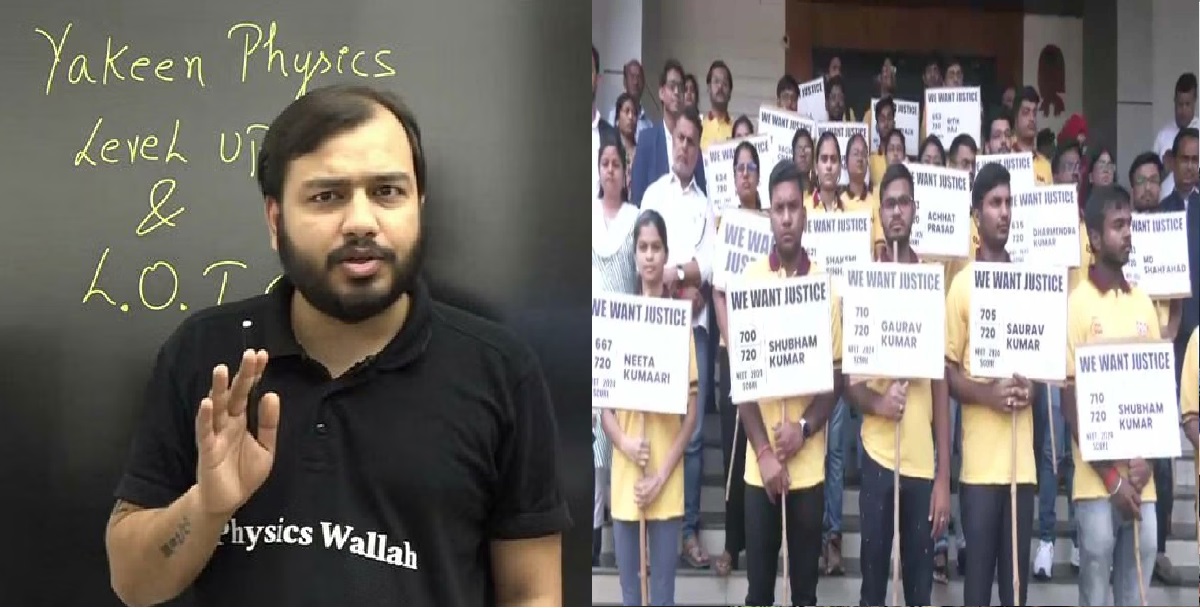
In a recent outburst, Alakh Pandey, popularly known as Physics Wallah, has expressed his frustration over the National Eligibility cum Entrance Test (NEET) exam body’s frequent changes in statements and policies. As a renowned educator and a beacon of hope for countless aspiring medical students, Physics Wallah’s criticism highlights the increasing concerns among students and educators alike regarding the NEET examination’s management.
Alakh Pandey’s primary grievance lies in the lack of consistency and transparency from the NEET authorities. He pointed out that the frequent modifications and ambiguous communication from the exam body have left students confused and stressed. “They keep changing statements,” he said, emphasizing how these changes disrupt the preparation strategies of students who are already under immense pressure.
Students preparing for NEET invest months, if not years, in rigorous study schedules, often sacrificing social life and extracurricular activities. When the exam authority fails to provide clear and consistent guidelines, it can significantly impact their preparation and mental well-being. Pandey noted that such unpredictability from the authorities not only creates confusion but also diminishes the trust students place in the system.
Physics Wallah’s comments come at a crucial time when students are navigating through an already challenging academic environment compounded by the uncertainties brought on by the COVID-19 pandemic. The pandemic has forced many examinations to be postponed, rescheduled, or conducted under stringent health guidelines, adding another layer of complexity to the already daunting task of preparing for NEET.
Moreover, Pandey’s concerns echo a broader sentiment within the educational community. Many educators and academic experts believe that the NEET exam body’s frequent policy changes reflect a deeper systemic issue that needs to be addressed urgently. They argue that a more transparent and stable approach would greatly benefit students, allowing them to plan and prepare more effectively.
The inconsistent statements from the NEET authorities also raise questions about the efficacy of their communication strategies. In today’s digital age, clear and timely communication is paramount. The NEET exam body must leverage technology to provide real-time updates and maintain an open dialogue with students to alleviate their concerns.
Physics Wallah’s advocacy for students’ rights and his call for better governance of the NEET examination process underscores his commitment to education. His influence and reach among students make his voice a significant one in the ongoing dialogue about educational reforms in India.
In conclusion, the criticism from Physics Wallah highlights a critical issue that affects thousands of NEET aspirants each year. The NEET exam body must address these concerns by ensuring consistency, transparency, and effective communication. Only then can they restore confidence among students and educators, ensuring a fair and stress-free examination process.