
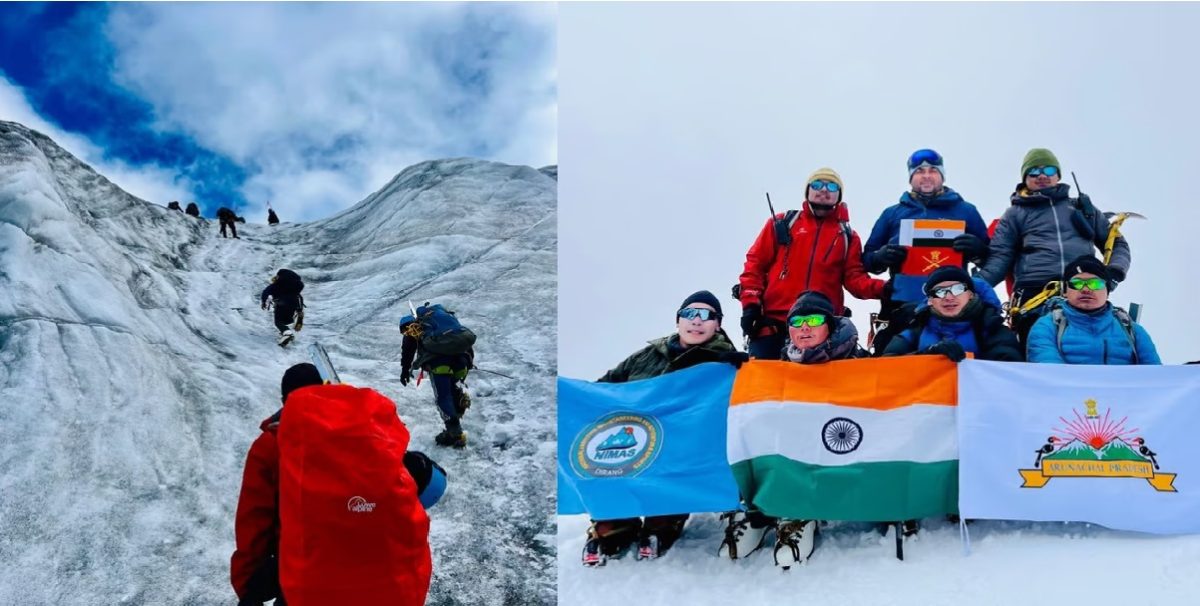
In recent weeks, the naming of a peak in Arunachal Pradesh after the Sixth Dalai Lama has ignited a significant diplomatic row between India and China. This incident encapsulates the ongoing tensions surrounding territorial claims in the region, a situation that has historical roots and geopolitical ramifications.
Arunachal Pradesh, a state in northeastern India, has long been a focal point of dispute between India and China. The region is rich in cultural heritage and natural beauty, featuring diverse landscapes that attract adventurers and climbers from around the world. Recently, a group of Indian climbers successfully summited a prominent peak and chose to honor the Sixth Dalai Lama, Tsangyang Gyatso, by naming it after him. This gesture was not merely a tribute to a revered figure in Tibetan Buddhism but also a nod to the cultural and spiritual ties that connect the people of this region.
The Sixth Dalai Lama, who lived in the 17th century, was known for his poetry and unconventional lifestyle. His legacy holds a significant place in Tibetan history and is celebrated among Tibetan Buddhists worldwide. However, the naming of the peak has provoked a sharp response from China, which claims Arunachal Pradesh as part of its territory. The Chinese government expressed its discontent through diplomatic channels, reiterating its position that the region is “south Tibet,” a term that reflects its broader claim over the area.
China’s response to the naming decision underscores the delicate balance of power and sentiment in the region. For India, Arunachal Pradesh represents not only a vital part of its territorial integrity but also a region of cultural significance. The Indian government has consistently defended its sovereignty over Arunachal Pradesh, viewing it as an integral part of the nation. This latest incident serves to reinforce India’s commitment to uphold its territorial claims against external challenges.
The outrage from China also highlights the sensitivity surrounding issues of cultural identity and national pride. For many Tibetans and their supporters, the Dalai Lama symbolizes resilience against oppression and a quest for autonomy. Naming the peak after the Sixth Dalai Lama could be seen as an affirmation of Tibetan identity and a rejection of Chinese claims to cultural and territorial dominance.
This controversy is part of a larger pattern of disputes between India and China that have persisted for decades. The two nations have clashed over border issues, culminating in military standoffs and confrontations. The naming incident adds another layer to these tensions, reminding both countries—and the international community—of the complexities involved in their relationship.
As the situation unfolds, it is essential to consider the broader implications of such actions. Naming geographical features after historical or cultural figures can evoke strong nationalistic feelings, and while it may seem like a minor decision, it can lead to significant geopolitical consequences. This incident serves as a reminder that symbols and names hold immense power in international relations, often acting as flashpoints for larger conflicts.
In conclusion, the naming of the peak in Arunachal Pradesh after the Sixth Dalai Lama is more than a simple act of homage; it is a statement that reverberates through the intricate web of history, culture, and geopolitics. As both India and China navigate this latest episode in their long-standing rivalry, the world watches closely, aware that even the smallest gestures can have profound implications for peace and stability in the region. The situation remains dynamic, and its resolution may require not only diplomatic finesse but also a willingness to engage in meaningful dialogue about identity, history, and territorial integrity.