
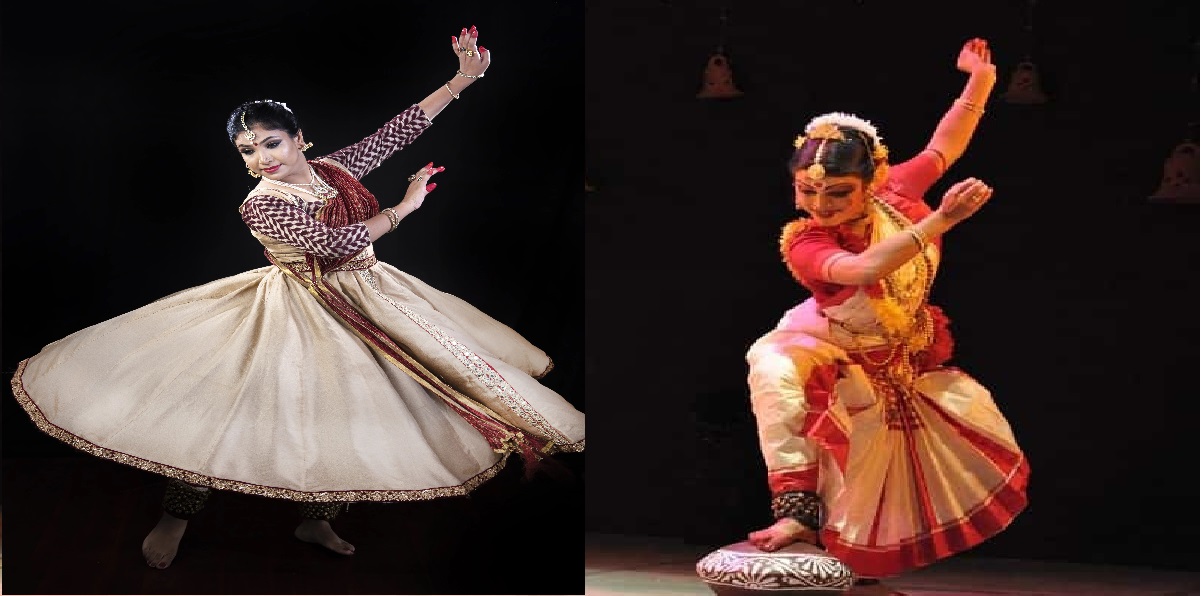
Kathak, one of the eight classical dance forms of India, is a captivating blend of storytelling, rhythm, and intricate footwork. Originating from the northern regions of India, particularly Uttar Pradesh, Kathak has evolved over centuries, weaving together influences from Hindu temple traditions, Mughal court aesthetics, and the vibrant cultural tapestry of Indian society. Its name derives from the Sanskrit word “Katha,” meaning story, reflecting its core essence as a narrative dance form.
At the heart of Kathak lies its unique ability to convey stories through movement. The dancer uses a combination of expressive gestures (mudras), facial expressions (abhinaya), and intricate footwork (tatkar) to narrate tales, often drawn from Hindu mythology, folklore, and spiritual themes. Each performance is not merely a display of technical skill but a journey through emotion and narrative, allowing the audience to connect deeply with the themes being portrayed.
The structure of a Kathak performance typically consists of several sections, each showcasing different aspects of the dance. The performance usually begins with a traditional invocation (Guru Vandana) to honor the teacher and the divine, followed by a pure dance segment called “Nritta.” This section emphasizes rhythm and movement, showcasing the dancer’s technical prowess through complex footwork and intricate spins. The speed and intensity gradually build, captivating the audience with the dancer’s agility and grace.
As the performance progresses, the narrative elements come into play with “Nritya,” where the dancer portrays characters and emotions through expressive movements and facial expressions. This section often incorporates storytelling, allowing the dancer to embody various characters, from divine figures to earthly beings. The culmination of the performance may include “Natya,” which introduces theatrical elements, making it a holistic experience that engages both the visual and emotional senses of the audience.
One of the most distinctive features of Kathak is its intricate footwork, characterized by the use of ghungroo (ankle bells). These bells create a rhythmic sound that complements the music and adds an auditory dimension to the dance. The precision and clarity of each step are vital, as the dancer often performs complex rhythms that may vary from slow to fast-paced tempos. The synchronization of footwork with music, typically classical compositions or live accompaniment, forms a rhythmic dialogue that enhances the storytelling aspect.
Kathak also reflects the influence of various cultural traditions, notably the Mughal era, which introduced elements of grace and fluidity to the dance. During this period, Kathak transformed from a religious temple dance to a courtly art form, embracing themes of romance, beauty, and grace. This evolution brought about a fusion of styles, enriching Kathak’s repertoire and making it one of the most dynamic classical dance forms.
Today, Kathak enjoys widespread recognition, both in India and internationally. Dance festivals, workshops, and competitions celebrate this art form, showcasing its rich heritage and contemporary adaptations. While rooted in tradition, Kathak continues to evolve, with modern choreographers exploring new themes and styles, making it relevant to contemporary audiences.
In conclusion, Kathak is not just a dance form; it is a vibrant expression of culture, emotion, and storytelling. Through its intricate movements, rhythmic patterns, and expressive storytelling, Kathak invites audiences on a journey that transcends time and space. As we explore the depths of this exquisite dance, we uncover not only the art of Kathak but also the universal human experience that connects us all through the language of movement.