
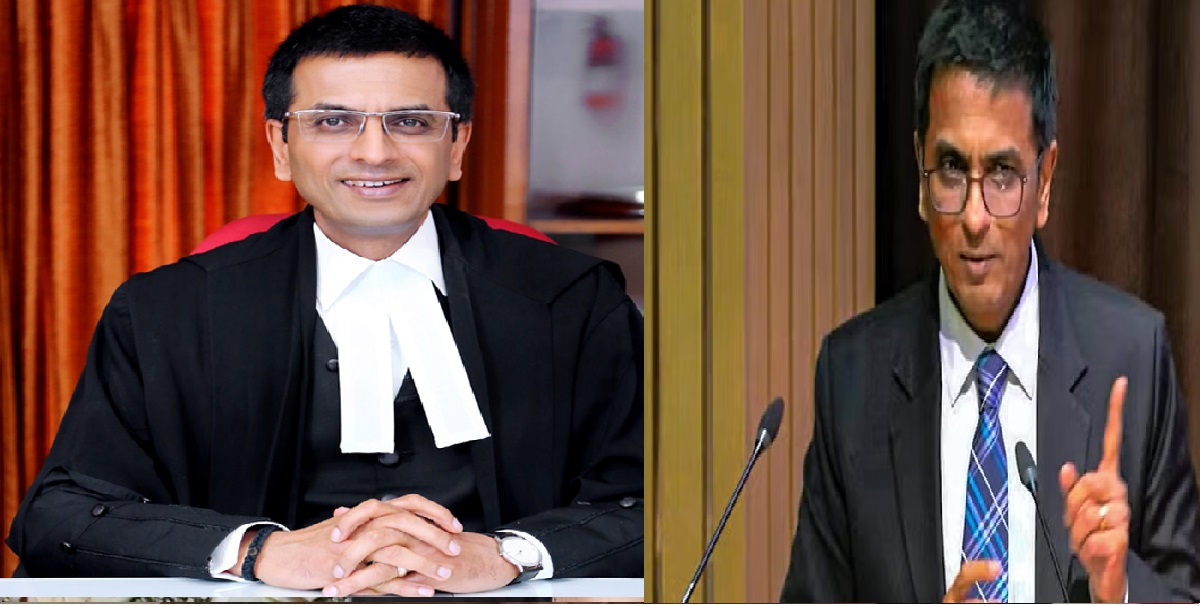
Chief Justice DY Chandrachud is set to retire on November 8, 2024, concluding a significant two-year tenure that has left a lasting impact on the Indian judiciary and legal landscape. Appointed as the 50th Chief Justice of India, Chandrachud took office on November 9, 2022, succeeding Justice UU Lalit. His leadership has been characterized by a commitment to upholding constitutional values, fostering judicial independence, and addressing pressing social issues through landmark judgments.
During his time in office, Chief Justice Chandrachud has been instrumental in championing the principles of equality and justice. He has emphasized the importance of accessibility within the judicial system, advocating for reforms that facilitate a more inclusive approach to justice delivery. His administration has sought to reduce backlog issues in courts, with initiatives aimed at streamlining processes and improving efficiency. Under his leadership, the Supreme Court has taken significant strides in utilizing technology to enhance the functioning of the judiciary, making it more responsive to the needs of citizens.
Chandrachud’s tenure has also been marked by several landmark judgments that reflect his progressive approach to various social issues. Notably, he has been a strong advocate for women’s rights, LGBTQ+ rights, and the protection of marginalized communities. His ruling in cases related to the decriminalization of same-sex relationships and the recognition of same-sex marriages has been hailed as a historic step towards equality in India. These decisions not only underscore his commitment to human rights but also set important precedents for future legal interpretations.
In addition to social issues, Chief Justice Chandrachud has played a pivotal role in addressing critical constitutional matters. His emphasis on judicial review as a safeguard against potential governmental overreach has reinforced the judiciary’s role as a check on executive power. This is particularly relevant in contemporary India, where debates around civil liberties and individual rights are increasingly prominent. His decisions have often underscored the importance of protecting the rights of citizens, ensuring that the Constitution remains a living document that reflects the evolving needs of society.
Chandrachud’s leadership style is often described as approachable and collaborative. He has fostered a culture of open dialogue within the Supreme Court, encouraging discussions among judges on various legal issues. This approach not only enhances the quality of deliberations but also promotes a sense of unity and purpose among the justices. His ability to navigate complex legal challenges while maintaining a focus on ethical standards has earned him respect both domestically and internationally.
As his retirement approaches, legal experts and commentators reflect on the legacy he will leave behind. Many believe that his tenure has marked a transformative period for the Supreme Court, positioning it as a more progressive institution that is responsive to societal changes. His commitment to upholding constitutional values while advocating for reform will likely inspire future leaders of the judiciary.
In conclusion, Chief Justice DY Chandrachud’s retirement on November 8 marks the end of a notable chapter in Indian legal history. His tenure has not only advanced important social issues but has also strengthened the foundations of democracy and justice in India. As the nation prepares to bid farewell to this esteemed leader, his contributions will undoubtedly continue to resonate in the judicial system for years to come, shaping the future of law and justice in the country.