
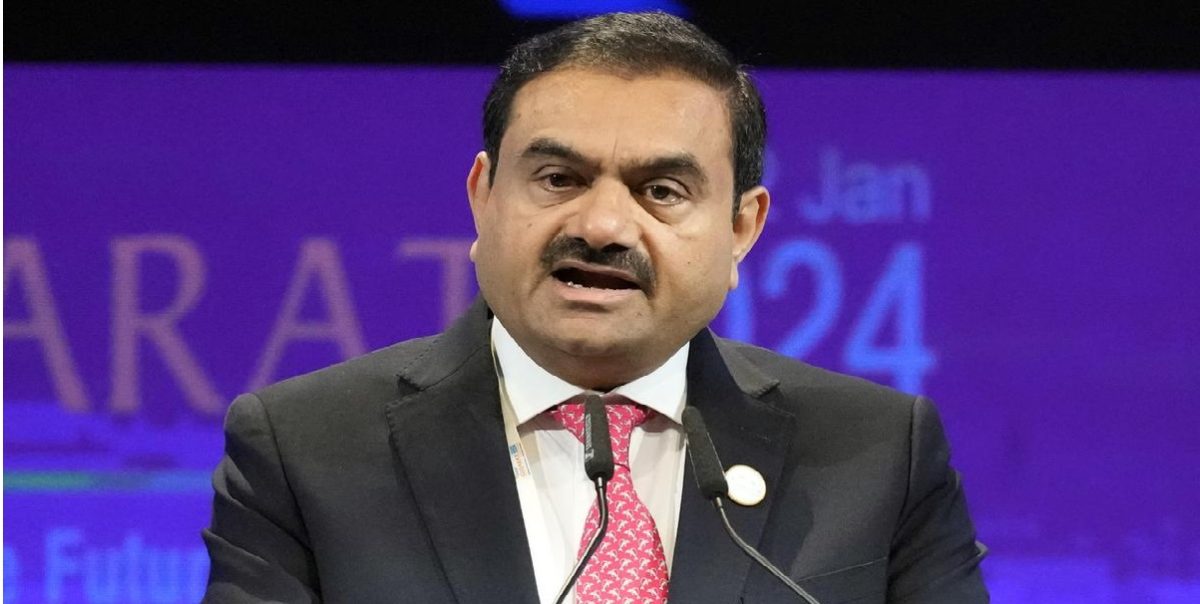
In a significant development, the Adani Group, one of India’s largest conglomerates, has issued a formal statement addressing serious allegations of bribery and corruption that have been levied against the company. The response comes amid growing scrutiny from both national and international watchdogs, investors, and media outlets. In an attempt to distance itself from the allegations, the group has taken the step of canceling its $600 million bond issuance, a move that signals both the scale of the controversy and the challenges the company is facing.
The Bribery Allegations
The bribery allegations center on claims that executives within the Adani Group were involved in illicit activities to gain favorable outcomes in government contracts and to manipulate market conditions. These accusations have been fueled by a series of investigative reports, whistleblower testimonies, and anonymous sources. Although the group has strongly denied any wrongdoing, the accusations have cast a shadow over its operations, raising concerns among its investors, regulatory bodies, and the public.
The allegations are particularly sensitive because of the scale of the Adani Group’s business interests, which span across a wide array of industries, including energy, infrastructure, transportation, and mining. The company has long been one of India’s most prominent business entities, with close ties to political and economic elites. However, the bribery claims have sparked questions about the transparency of the company’s operations and its adherence to ethical business practices.
The Cancelation of the $600 Million Bond Deal
As part of its response to the growing controversy, the Adani Group announced the cancellation of a planned $600 million bond issuance, which was initially aimed at raising capital to fund its expansion plans. The bond issuance was intended to strengthen the group’s financial position and support its ongoing projects, but in light of the bribery allegations, the group faced significant challenges in moving forward with the deal.
Investors had expressed concerns about the reputational risks associated with the bond issuance, particularly as the bribery claims became more prominent in the media. The group cited the “current market conditions and ongoing investigations” as the primary reasons for pulling the bond deal. While the cancellation has been seen as a cautious move to prevent further damage to its image, it also highlights the increasing difficulty the Adani Group is facing in securing new capital amid the scandal.
Impact on the Group and Broader Business Landscape
The cancellation of the bond deal represents more than just a financial setback for the Adani Group. It reflects the broader impact that the bribery scandal is having on the company’s ability to function in an increasingly globalized and transparent business environment. Investors, both domestic and international, are becoming more cautious about placing their money in the group’s ventures, with several institutional investors reportedly reevaluating their positions.
The Adani Group’s response to the allegations is likely to influence future investor sentiment, particularly in relation to its expansion plans. With billions of dollars in investments tied to the group’s operations, any negative fallout could have far-reaching consequences for the Indian business landscape. Additionally, regulatory bodies in India and abroad are expected to intensify their scrutiny of the group’s financial dealings, which could lead to further reputational damage and legal challenges.
Conclusion
As the Adani Group continues to deal with the fallout from bribery allegations, the cancellation of the $600 million bond deal marks a pivotal moment in the company’s history. The company is now facing the dual challenge of addressing the corruption claims while attempting to rebuild investor trust and maintain its position in India’s corporate landscape. How the Adani Group manages this crisis will not only affect its future prospects but also serve as a bellwether for corporate governance standards in the region.