
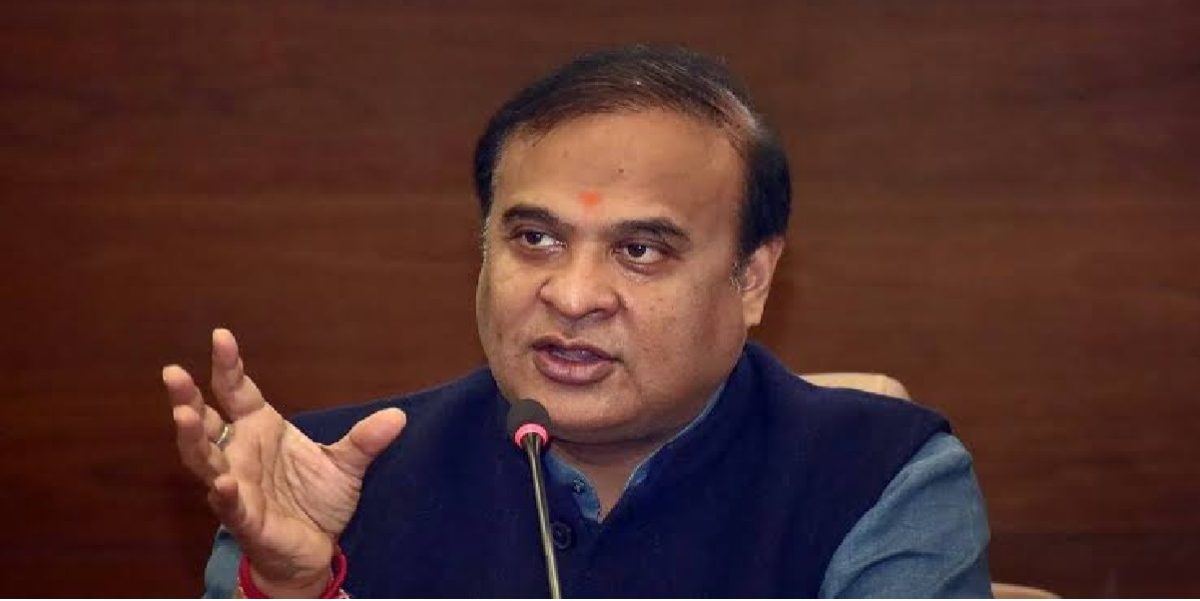
In a significant move that has sparked both support and controversy, Assam Chief Minister Himanta Biswa Sarma recently announced a ban on the sale and serving of beef in hotels, restaurants, and other public eateries across the state. The decision, which aims to respect the cultural and religious sensitivities of Assam’s majority population, is expected to have far-reaching implications for the state’s food industry, as well as its socio-political landscape.
Background of the Decision
The announcement was made by Chief Minister Sarma during a public event, where he emphasized that the ban was not intended to infringe upon individual freedoms but to ensure that public spaces were in alignment with the social and cultural fabric of the state. Sarma, a seasoned politician with a significant following in Assam, stated that the move was part of his government’s broader agenda to promote harmony and respect for diverse communities.
“Assam is a diverse state, and we respect the dietary habits of all communities,” Sarma said. “However, we must also take into account the feelings of the majority population, who find beef consumption to be offensive.” Sarma’s announcement is seen as a reflection of his administration’s commitment to preserving the cultural and religious values of the region.
The Political Backlash
While the move has found support among several groups, particularly from the state’s Hindu population, it has also drawn strong criticism, particularly from opposition parties like Congress and some regional groups.