
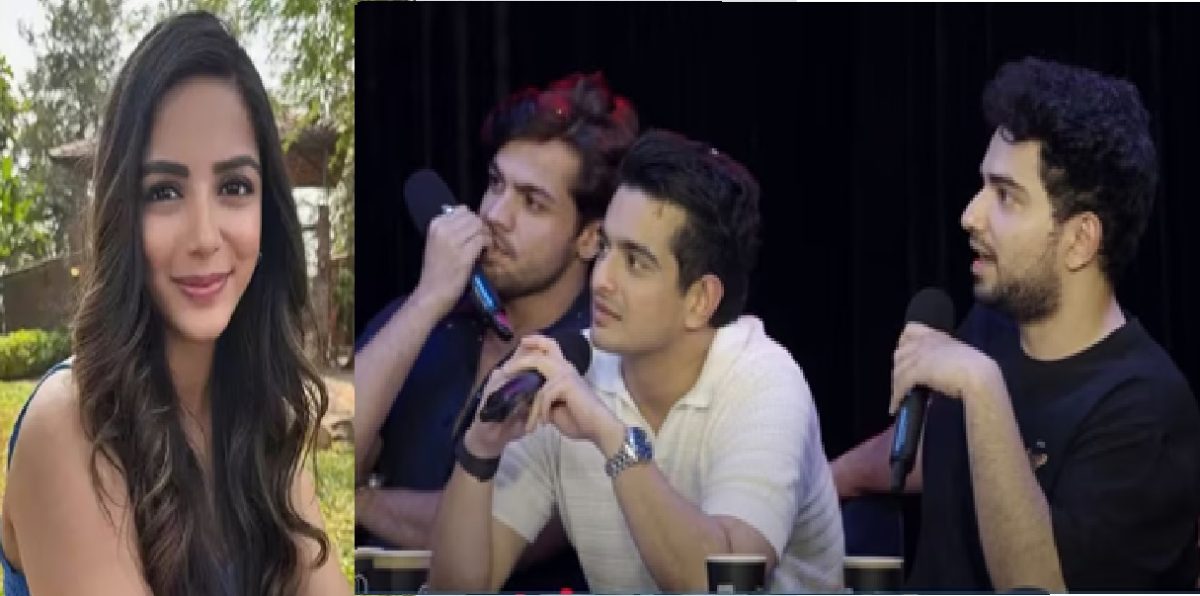
Ranveer Allahbadia Controversy: Raghu Ram Acknowledges Past Actions on Roadies; Maharashtra Government Initiates Investigation Amid Public Uproar
The ongoing controversy involving Ranveer Allahbadia, popularly known as BeerBiceps, has taken a new turn as television personality Raghu Ram has addressed his past actions on the reality show Roadies. The controversy, which initially sparked debates over content creation, influencer responsibility, and ethical broadcasting, has now drawn the attention of the Maharashtra government, leading to an official probe.
Background of the Controversy
The controversy erupted when Ranveer Allahbadia, a popular YouTuber and motivational speaker, made comments about the culture of reality television in India. During a podcast discussion, he referenced Roadies and its host, Raghu Ram, highlighting the use of expletives and aggressive behavior on the show. This reignited debates about the ethics of reality TV, particularly how contestants were treated in high-pressure situations.
In response to the criticism, Raghu Ram initially defended his approach, arguing that the show’s format was meant to test contestants’ resilience. However, as the backlash intensified, he addressed the issue publicly, acknowledging that his methods, which often included the use of harsh language and intimidation, could be seen as excessive in retrospect.
Raghu Ram’s Acknowledgment and Public Reaction
Raghu Ram’s statement has been met with mixed reactions. While some viewers appreciate his willingness to acknowledge the issue, others believe that the damage has already been done. The show, which ran for several seasons, played a significant role in shaping the landscape of Indian reality television, influencing how reality shows are structured and executed.
In his statement, Raghu Ram said, “Yes, we used strong language and put contestants through immense pressure, but it was part of the format. Looking back, I understand why some people may find it problematic today.” His response, while not an outright apology, suggests a shift in perspective regarding the impact of Roadies on young viewers and aspiring contestants.
Social media has been flooded with reactions, with some users calling for a broader discussion on reality television ethics. Others argue that holding creators accountable years after their actions is unfair, especially considering that the show was widely accepted at the time.
Maharashtra Government Orders Probe
As the controversy gained traction, the Maharashtra government stepped in, announcing a formal investigation into reality TV content and its impact on audiences. Authorities have stated that they will review the history of such shows, particularly their use of aggressive language and emotionally charged situations, to determine whether any ethical guidelines were violated.
A government official stated, “The influence of television and digital content on young minds is significant. We aim to assess whether regulations need to be updated to ensure responsible broadcasting.”
This probe could set a precedent for stricter content guidelines in the Indian entertainment industry, affecting not just reality shows but also online content creators.
Conclusion
The Ranveer Allahbadia controversy has sparked a much-needed debate about content responsibility, the psychological impact of reality television, and the evolving media landscape. With Raghu Ram acknowledging past actions and the government stepping in to investigate, this issue may lead to significant changes in how reality television is produced and consumed in India.