
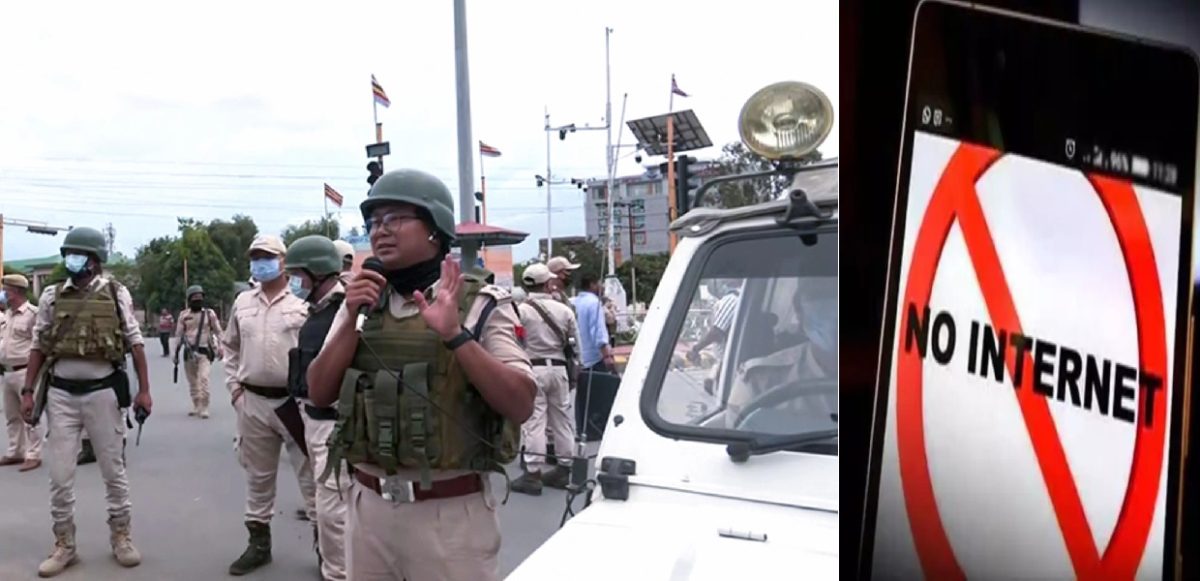
The government of Manipur has extended the mobile internet ban across nine districts of the state until December 3, 2024, in response to ongoing security concerns. This decision, made by the state authorities, reflects the delicate and tense situation prevailing in the region. The restriction, which has been in place for several months, has been a significant disruption for residents and businesses, especially in the affected areas where connectivity is vital for daily operations, education, and communication.
The ban covers mobile data services, including 4G, 3G, and even 2G, along with all SMS services, significantly affecting residents who rely on their phones for essential communication and information access. The move is part of the government’s strategy to control the spread of misinformation and maintain law and order amidst ongoing ethnic and communal tensions that have escalated since May 2023.
The decision comes after multiple reports of social media platforms being used to incite violence and unrest in the region. Manipur has seen an increase in clashes between ethnic groups, and the use of mobile internet to spread rumors and fake news has exacerbated the situation. In response, the state authorities believe that limiting mobile internet access will curb the spread of inflammatory content and prevent the situation from deteriorating further.
While the extension of the mobile internet ban may help address immediate security challenges, it has raised concerns among the public and various sectors of the economy. The digital divide in the state has been widening, with those in rural areas already facing limited access to technological resources. For students, the ban has disrupted online learning and access to educational materials. Businesses that rely on mobile networks for e-commerce, banking, and communication with clients have also suffered, facing delays and loss of income.
Human rights groups and digital advocacy organizations have expressed concerns about the prolonged nature of the internet shutdown. They argue that the indefinite suspension of mobile internet access impedes citizens’ fundamental right to access information and communicate freely. The restriction has also affected the local press and media, as journalists are unable to report on events in real-time, and many struggle to access information from outside the state. The ban, they say, may hinder the flow of vital information in a rapidly changing security landscape.
However, the government remains steadfast in its position, citing the need to prioritize public safety and prevent the further spread of violence. Manipur has been grappling with ongoing ethnic conflicts between the Meitei and Kuki communities, which have caused widespread displacement, loss of life, and property damage. The mobile internet ban is seen as a short-term measure to regain control over the situation while the authorities focus on resolving the root causes of the unrest.
As December 3 approaches, the state government will reassess the security situation before deciding whether to extend or lift the ban. The situation remains volatile, and authorities are balancing the need for security with the public’s right to access the internet. Whether the extension of the ban will prove effective in restoring peace or exacerbate local grievances remains to be seen, but it highlights the complex challenges faced by governments in managing digital spaces amidst real-world conflicts.