
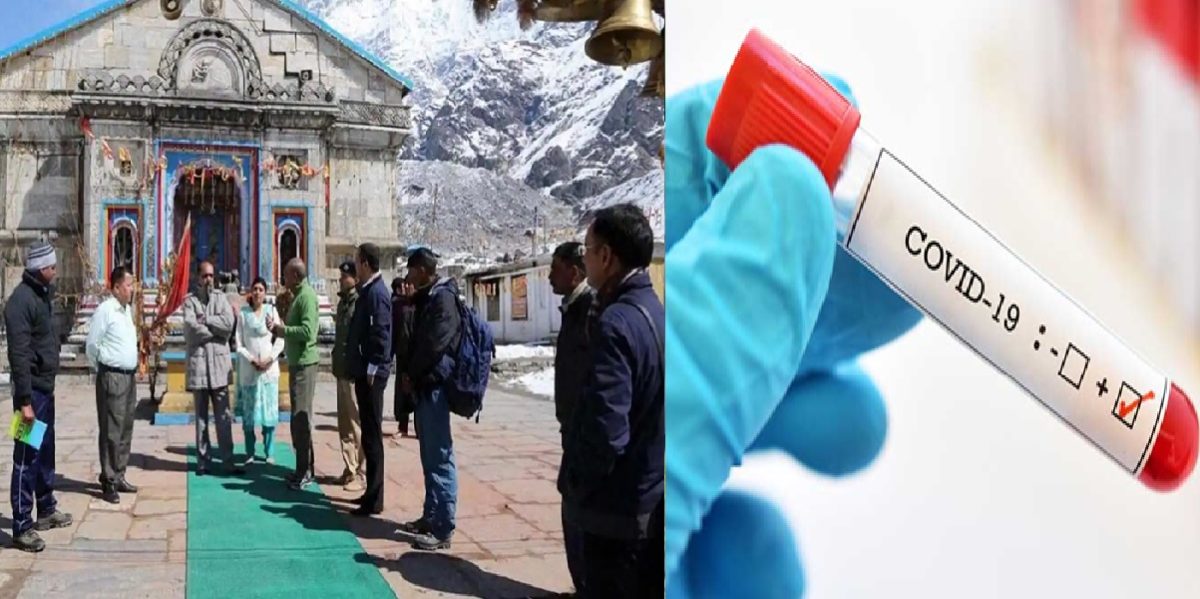
COVID Casts Shadow Over Char Dham Yatra as Two New Cases Emerge in Uttarakhand, Prompting Authorities to Stay Alert
The sacred Char Dham Yatra, one of the most significant pilgrimages in India, is once again under the looming threat of COVID-19. With the recent detection of two new positive cases in Uttarakhand, the state administration has ramped up surveillance and preventive measures to ensure the safety of pilgrims and locals alike. This development has raised fresh concerns as thousands of devotees continue to arrive daily to visit the revered shrines of Yamunotri, Gangotri, Kedarnath, and Badrinath.
According to health officials, the two new infections were reported in districts located on the pilgrimage route. Though the cases are currently isolated and under control, their emergence has served as a crucial reminder that the threat of COVID-19, while diminished, has not been fully eradicated. The health department has instructed all district authorities involved in managing the yatra to intensify screening, hygiene practices, and ensure the availability of medical facilities along the route.
The state government has advised pilgrims to strictly follow COVID-appropriate behavior, including wearing masks in crowded areas, using sanitizers, and maintaining social distancing wherever possible. Thermal screening points have been reinstalled at several key locations, and local medical teams have been directed to keep a close watch for any symptoms among travelers.
Tourism and religious events in Uttarakhand had seen a resurgence over the past year, thanks to declining COVID-19 cases and successful vaccination campaigns. However, this latest development has prompted a reassessment of safety protocols. The Char Dham Yatra, which had faced suspensions and severe restrictions during the peak of the pandemic in 2020 and 2021, had recently resumed in full swing, drawing pilgrims from across the country and even from abroad.
The Chief Medical Officer of Uttarkashi stated that while the current situation is under control, random testing of pilgrims will be increased to prevent any potential outbreak. He emphasized that even a few cases, if not detected early, could lead to larger clusters, especially in congested pilgrimage towns where physical distancing is difficult to maintain.
Local businesses, which rely heavily on the influx of pilgrims, are understandably anxious. The previous lockdowns and travel restrictions had led to significant economic losses. Many traders and hoteliers are now urging visitors to act responsibly so that the yatra can proceed without disruption.
The administration has also urged anyone showing symptoms such as fever, cough, or fatigue to refrain from traveling and to get tested immediately. Helpline numbers and temporary isolation wards have been set up in key locations to handle emergencies quickly.
In conclusion, while the Char Dham Yatra remains open and continues to attract thousands of devotees, the emergence of COVID-19 cases has introduced a note of caution. Authorities are working proactively to contain any potential spread and are relying on public cooperation to ensure a safe and uninterrupted pilgrimage season. The coming weeks will be crucial in determining whether stricter measures will be needed or if the current vigilance is enough to keep the virus at bay.