
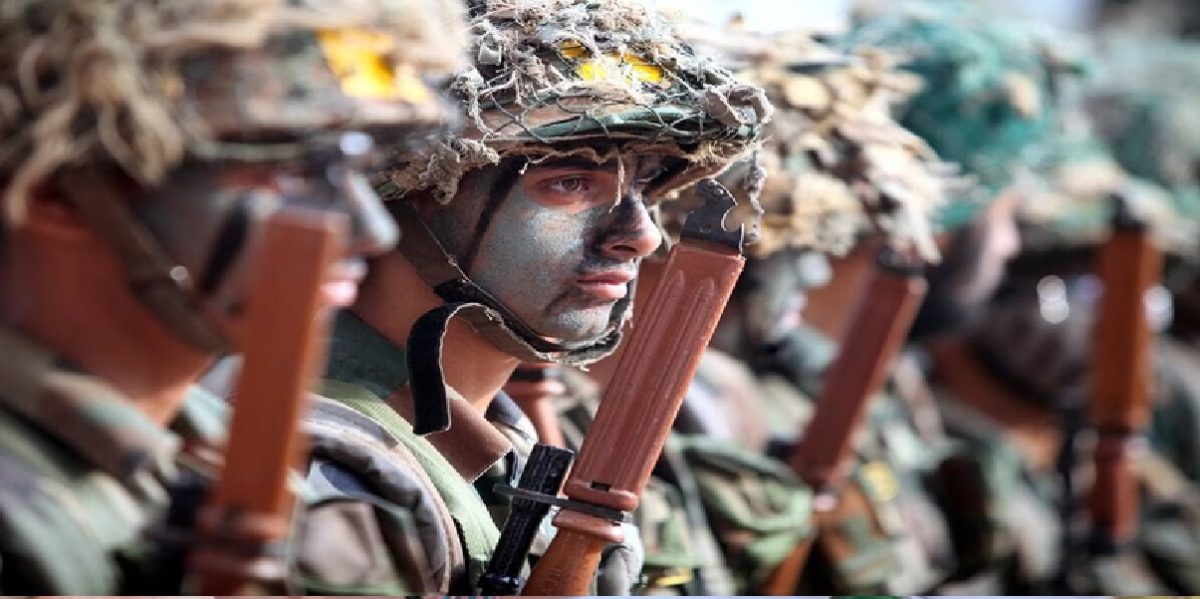
From Dream to Discharge: Injured NDA Cadets Seek Ex-Serviceman Status After Career-Ending Injuries at Military Academy Training Stage
Every year, thousands of young men across India prepare rigorously to clear the highly competitive National Defence Academy (NDA) entrance exam. For many, wearing the uniform and serving the nation is not just a career choice—it’s a lifelong dream. But for a growing number of cadets, this dream ends not on the battlefield but within the very walls of the military academies where they train. A sudden injury, a freak accident, or a medical issue during training has left several cadets permanently disabled and forced them out of service—without recognition, benefits, or even the dignity of being called ex-servicemen.
These cadets, who once cleared one of the toughest entrance exams in the country and were found medically and physically fit for duty, are now struggling with a sense of abandonment. After being declared medically unfit due to injuries sustained during rigorous training, they are discharged without any formal recognition of their service or the sacrifices made. Many of them were just weeks or months away from commissioning when their injuries occurred—during drills, physical training, or even accidents within academy premises.
The irony, many say, is cruel. While a soldier injured during active service is rightly honored and compensated, a cadet injured during training—while preparing for that very service—is often forgotten. The military’s current rules do not grant ex-serviceman status to cadets who are invalided out before being commissioned. As a result, they are not eligible for rehabilitation benefits, pension, or government job reservations that are provided to other veterans.
Several former cadets are now campaigning for change. They argue that since their injuries were sustained in the line of duty—during official training hours under military supervision—they deserve at least the status of ex-servicemen. For them, it’s not just about financial support; it’s about respect, acknowledgment, and a sense of identity.
One former cadet recounted, “I broke my spine during a physical training session. I was 19. One day I was preparing to be an officer, the next day I was sent home on a wheelchair. No medal, no title, just silence.”
Legal and policy experts have also started weighing in. They argue that the existing laws need to evolve with a more humane and inclusive approach. Training is an integral part of military service, and injuries sustained therein should be treated with the same seriousness as those suffered on the frontlines.
Public support for these cadets is slowly growing. Online petitions, media coverage, and social media campaigns have begun to shed light on their plight. Veterans, too, have expressed solidarity, stating that the nation owes a duty of care to those who once pledged to serve it—regardless of whether their service was cut short by fate.
As the movement gains momentum, these former cadets are not just seeking compensation. They are asking for dignity, recognition, and a place in the community they once proudly belonged to. Their battle continues—not against an enemy on the border, but against a system that refuses to see them.