
November 6 Bihar Polls: First Phase to Shape Future of Influential Leaders and Emerging Small Political Parties
The political spotlight in India is once again on Bihar, as the first phase of the state assembly elections is scheduled for November 6. This phase is not just a routine electoral process; it is poised to be a defining moment that could reshape the political landscape of the state. With a mix of established leaders and emerging small parties in the fray, the stakes have never been higher.
Bihar has always been a state where politics is intensely personal and deeply rooted in social dynamics. Over the years, dynastic politics has played a significant role, with several influential families holding sway over multiple constituencies. This time, however, the first phase promises to test their dominance. Several veteran leaders are facing strong challenges from regional and smaller parties, who are leveraging local issues, voter dissatisfaction, and grassroots campaigns to make inroads.
One of the defining features of this phase is the presence of small and emerging parties. These parties, often overlooked in mainstream coverage, are presenting themselves as alternatives to traditional political giants. They are focusing on specific regional concerns, caste equations, youth employment, and rural development — issues that resonate deeply with local voters. Political analysts suggest that even if these parties win only a handful of seats, their influence could be significant, especially in forming coalition governments or in pushing major parties to reconsider their strategies.
The first phase of voting will also set the tone for subsequent phases, influencing voter sentiment across Bihar. Early trends could create a domino effect, affecting voter perception in other constituencies. Political campaigns have been carefully crafted, combining traditional door-to-door outreach with digital campaigns, to appeal to both rural and urban voters. Folk songs, rallies, and community events are being used effectively to connect with voters emotionally, while social media campaigns aim to capture the attention of younger demographics.
Another critical aspect is the role of influential leaders. Many have historically enjoyed strong voter loyalty, but this election is proving to be a litmus test of their continued relevance. Public opinion surveys suggest that voters are increasingly looking for performance over legacy, and leaders who fail to address pressing issues like unemployment, education, healthcare, and infrastructure risk losing ground.
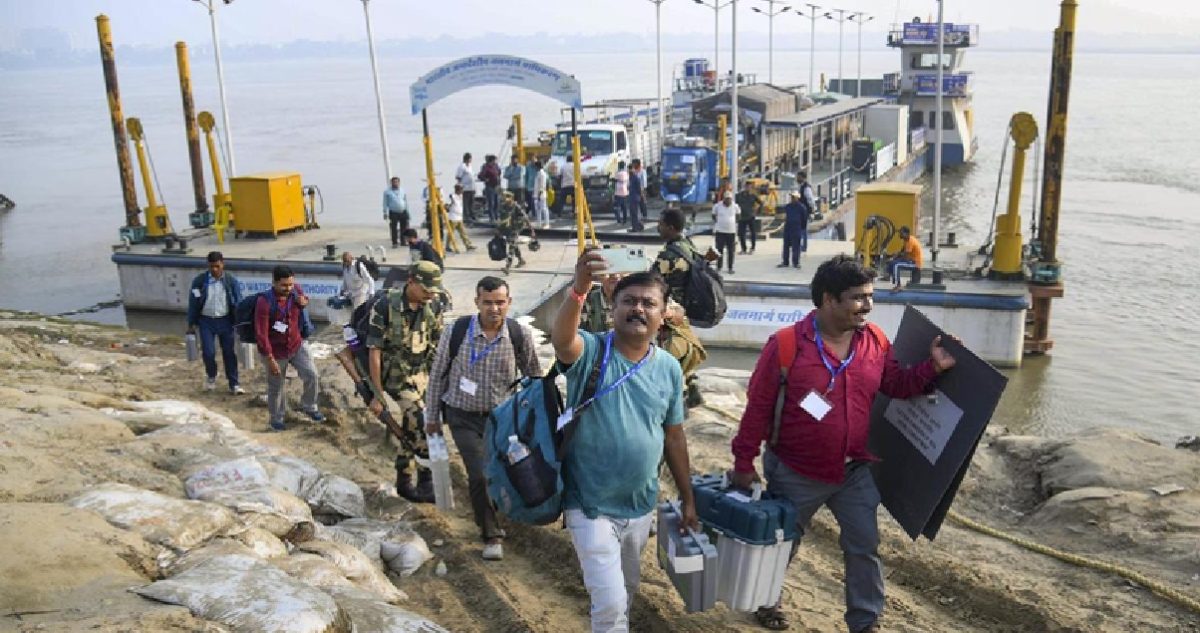
Security, fairness, and voter awareness are also in focus. The Election Commission has implemented measures to ensure smooth and transparent voting, including proper identification verification, monitoring of EVMs, and awareness campaigns to prevent any malpractice. For voters, participating responsibly and making informed decisions is key, especially when the balance of power could shift dramatically.
In conclusion, the November 6 first phase of Bihar polls is more than just an election; it is a political battleground where the fate of seasoned leaders and emerging small parties will be decided. The outcomes of this phase could influence not only Bihar’s governance but also the broader political scenario in India, highlighting the importance of voter participation and strategic campaigning.
The state is watching closely as its electorate prepares to cast votes that will determine leadership, policies, and the future direction of Bihar. This phase is set to be a critical milestone in the state’s democratic journey.