
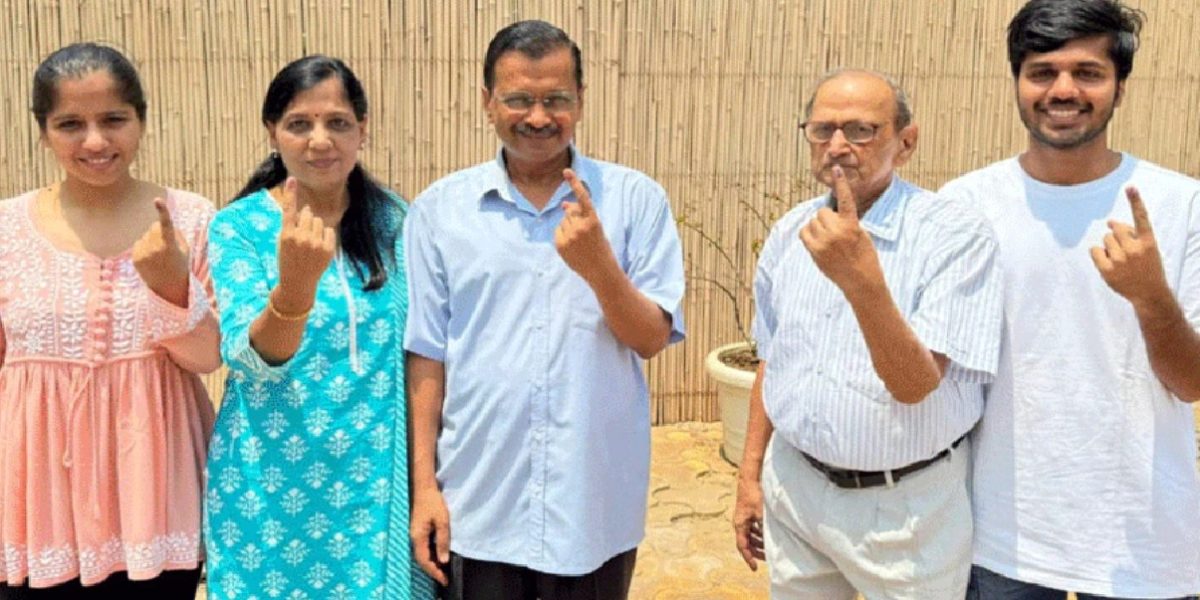
As India progresses through its extensive democratic process, Phase 6 of the Lok Sabha elections has witnessed varying degrees of voter enthusiasm across different states. Bengal, known for its politically charged atmosphere, led the voter turnout charts with over 16% recorded by 9 AM, reflecting the state’s active political engagement and significance in national elections. In contrast, Haryana reported the lowest participation rates during this phase, highlighting regional variations in voter engagement and electoral dynamics.
Bengal’s High Voter Turnout:
West Bengal, a key battleground state known for its fiercely contested electoral politics, demonstrated robust voter participation early in Phase 6. The state has been a focal point in national politics, witnessing intense campaigns and rallies by major political parties vying for seats in the Lok Sabha. Factors contributing to Bengal’s high turnout include heightened political awareness among its electorate, strong party mobilization efforts, and issues resonating deeply with the local population.
The early turnout figures suggest a keen interest and determination among Bengal’s voters to exercise their democratic rights decisively. This high turnout trend is indicative of the state’s pivotal role in shaping the political landscape and influencing the overall electoral outcome at the national level.
Challenges in Haryana’s Voter Participation:
Conversely, Haryana reported the lowest voter turnout during Phase 6 of the Lok Sabha elections. The state’s lower participation rates raise questions about voter engagement strategies, local issues influencing turnout, and the effectiveness of electoral mobilization efforts. Factors such as voter apathy, logistical challenges, and regional disparities in development could have contributed to the subdued turnout in Haryana.
Efforts to address these challenges include enhancing voter awareness campaigns, improving accessibility to polling stations, and addressing specific concerns of marginalized communities. The aim is to encourage greater participation in the democratic process and ensure that every eligible voter has the opportunity to cast their vote freely and fairly.
National Implications and Electoral Dynamics:
Phase 6 of the Lok Sabha elections not only reflects regional variations in voter turnout but also underscores the diverse socio-political dynamics at play across India. Each state and constituency within Phase 6 contributes uniquely to the national electoral narrative, with outcomes potentially shaping the composition of the next central government.
For political parties and analysts alike, the voter turnout data from Phase 6 serves as a crucial barometer of public sentiment and electoral trends. It provides insights into voter preferences, regional issues influencing voting behavior, and the effectiveness of campaign strategies deployed by competing parties.
Conclusion:
The Lok Sabha elections Phase 6 voter turnout highlights the dynamic nature of India’s democratic process, showcasing both high levels of participation in states like Bengal and challenges faced in regions such as Haryana. As the nation progresses through subsequent phases and towards the final results, the turnout figures will continue to shape political strategies and public discourse. Ultimately, these elections are not just about selecting representatives but also about reaffirming the democratic principles and aspirations of the Indian electorate.