
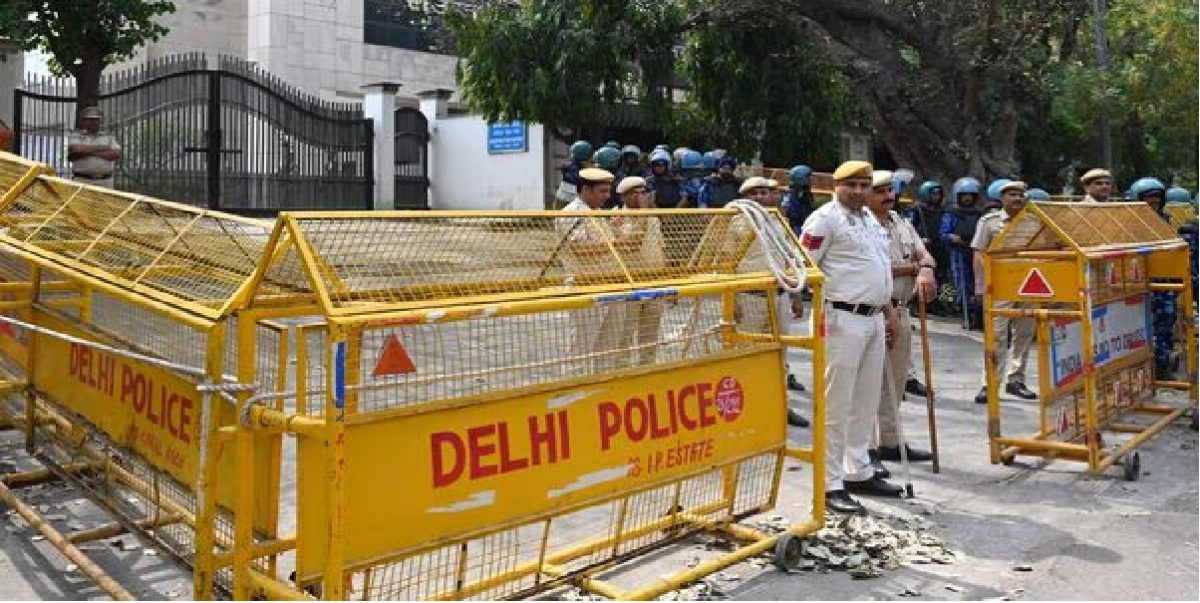
As India’s monumental 2024 General Elections progress, Phase 6 of the polling marks a critical juncture, with key battleground states including Delhi, Haryana, Uttar Pradesh (UP), West Bengal, Odisha, and Jharkhand heading to the polls. This phase is pivotal, not just for the high stakes involved in these diverse regions, but also for the intricate political dynamics that could significantly influence the final outcome of this electoral marathon.
Delhi: The Capital’s Political Pulse
Delhi, the nation’s capital, remains a crucial focal point. Historically a stronghold of the Aam Aadmi Party (AAP), Delhi’s political landscape has seen intense competition from both the Bharatiya Janata Party (BJP) and the Indian National Congress (INC). With major issues like urban development, pollution, and governance at the forefront, the electorate’s choice here will resonate significantly on a national scale. The BJP, aiming to capitalize on its national appeal and Modi’s leadership, faces a resilient AAP, which has its roots firmly planted in local governance and community issues.
Haryana: A Battle of Clans and Coalitions
Haryana’s political scene is characterized by its unique blend of regionalism and national politics. The BJP, currently holding sway, faces stiff competition from the Indian National Lok Dal (INLD) and the Congress. The agrarian distress and demands for better economic policies are key issues that could sway the voters. Additionally, caste dynamics and the influence of local leaders play a significant role in shaping the electoral outcomes in this state.
Uttar Pradesh: The Crucial Bellwether
Uttar Pradesh, the most populous state, often serves as a bellwether for national politics. With its 80 parliamentary seats, it is a key battleground that can make or break a party’s prospects of forming a government. The BJP, under Chief Minister Yogi Adityanath, seeks to retain its dominance, leveraging its development initiatives and law-and-order narrative. Meanwhile, the Samajwadi Party (SP) and Bahujan Samaj Party (BSP) are striving to reclaim lost ground, emphasizing issues like unemployment, education, and social justice.
West Bengal: The Fierce Turf War
In West Bengal, the battle lines are drawn sharply between the ruling Trinamool Congress (TMC) and the BJP. The TMC, under Mamata Banerjee, focuses on regional pride and welfare schemes, while the BJP pushes for a narrative of change, aiming to break the TMC’s decade-long dominance. Communal tensions, economic development, and migrant labor issues are significant factors influencing the voter sentiment.
Odisha: A Contest of Continuity vs Change
Odisha presents a contest between continuity and change. The Biju Janata Dal (BJD), led by Naveen Patnaik, has enjoyed a long-standing incumbency with its focus on welfare programs and disaster management. However, the BJP is making inroads, banking on national schemes and promises of rapid industrialization. The electorate here is weighing the benefits of stable governance against the promises of new development avenues.
Jharkhand: The Tribal Vote and Development Agenda
In Jharkhand, the tribal vote is crucial. The Jharkhand Mukti Morcha (JMM)-led coalition government faces a strong challenge from the BJP. Key issues include land rights, tribal welfare, and mining policies. The BJP’s strategy revolves around promoting infrastructure development and employment, while the JMM emphasizes preserving tribal identity and rights.
Conclusion: A Defining Phase
Phase 6 of the 2024 General Elections is not just about numbers; it is about the underlying currents that define Indian politics. Each state going to the polls today holds a mirror to the country’s diverse socio-political fabric. The results from this phase will not only shape the immediate electoral prospects but also set the tone for the final phases and the eventual formation of the government. As India watches closely, the world’s largest democracy once again showcases its vibrant and complex electoral process.