
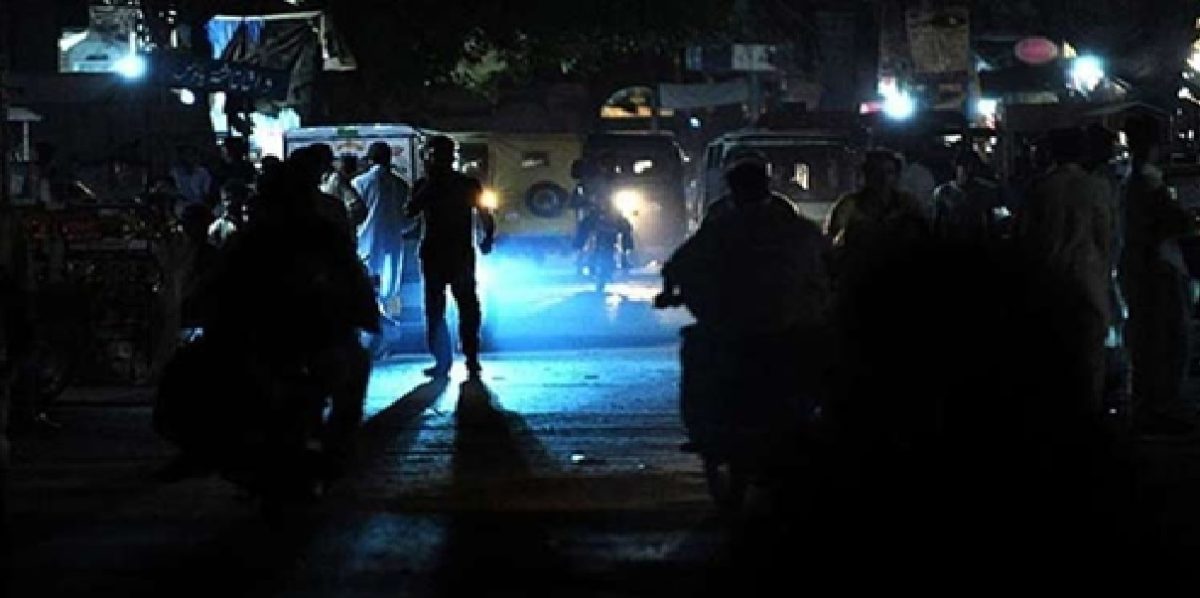
Blackout Hits Jalandhar, Uri, Baramulla; Heavy Shelling Continues in Firozpur, Kupwara, and Poonch Amid Escalating Border Tensions
In a dramatic escalation of border tensions, large-scale blackouts and heavy artillery exchanges have been reported from several sensitive regions along the India-Pakistan border. On-ground reports confirm that Jalandhar, Uri, and Baramulla experienced sudden and prolonged power outages late Tuesday night, while intense shelling continued unabated in Firozpur, Kupwara, and Poonch.
The blackouts in Jalandhar, a major city in Punjab, and Uri and Baramulla in Jammu and Kashmir, have raised serious concerns among civilians and authorities alike. Power was cut off without prior warning, triggering panic across local communities. Many residents, already tense due to the volatile situation at the Line of Control (LoC), rushed to stock up on essentials amid fears of further escalation.
Though no official statement has been issued regarding the cause of the blackouts, defense analysts speculate that the power outages may have been precautionary security measures or a result of electronic warfare tactics aimed at blinding enemy surveillance and communication. The Indian Army remains on high alert across the northern front, with reinforcements reportedly being moved toward forward bases near the LoC.
Simultaneously, Firozpur in Punjab, and the frontier districts of Kupwara and Poonch in Jammu and Kashmir have witnessed continuous heavy shelling. Eyewitnesses in border villages described relentless artillery fire throughout the night, shaking homes and forcing families to seek shelter in underground bunkers. Several homes and civilian structures were reportedly damaged, although official casualty numbers remain unconfirmed.
In Poonch, local authorities have activated emergency protocols and opened temporary shelters for affected families. District officials urged residents living within 5 km of the border to remain indoors and avoid travel unless absolutely necessary. Schools and public institutions in these zones have been temporarily shut down as a precautionary measure.
Kupwara, already a known hotspot for cross-border infiltration attempts, has seen a spike in military activity over the past 48 hours. Sources close to the security establishment suggest that the recent escalation could be in response to increased militant movement along infiltration routes. Indian security forces have launched search operations in vulnerable zones, backed by drone surveillance and night-vision patrols.
The heavy shelling in Firozpur also indicates an expansion of hostilities beyond the usual Jammu and Kashmir hotspots, with Punjab now appearing to be within the zone of impact. Border Security Force (BSF) units have been placed on high alert, and military convoys have been spotted moving through key highways.
This surge in hostilities comes amid rising diplomatic tensions between India and Pakistan. While both nations have exchanged barbs over ceasefire violations in recent weeks, the latest events mark a serious deterioration in the security environment along the border.
As the situation unfolds, the Indian government is expected to issue an official statement addressing the incidents. In the meantime, security forces are fully mobilized, and civil administration units continue to work on relief and safety measures for the affected populations.
The region remains tense, and the coming days will be crucial in determining whether the situation stabilizes or spirals further.