
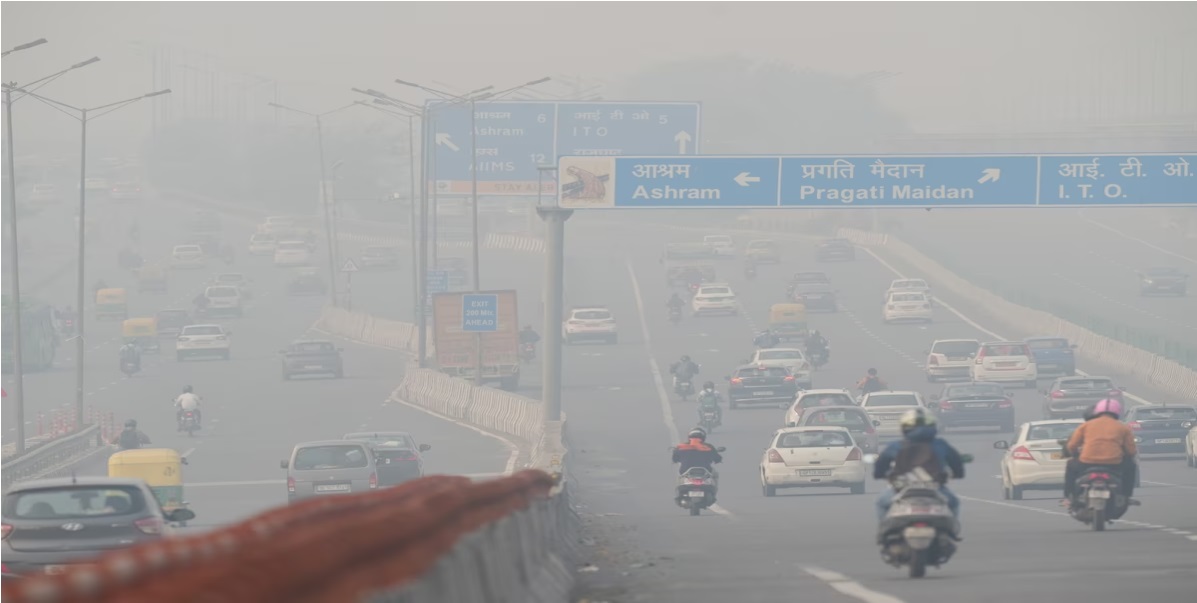
The Air Quality Index (AQI) is in the ‘Very Poor’ category in Delhi as per the Central Pollution Control Board (CPCB)
(Visuals from AIIMS, shot at 7:05 am)
The bustling city of Delhi, known for its rich history and vibrant culture, is currently grappling with a pressing issue: air quality. According to the latest assessment by the Central Pollution Control Board (CPCB), the Air Quality Index (AQI) in Delhi has reached the ‘Very Poor’ category. This alarming revelation has raised concerns among residents, environmentalists, and health authorities alike.
I. Understanding AQI: A Brief Introduction
Air Quality Index (AQI) is a numerical scale that communicates how polluted the air currently is and what associated health effects might be of concern for the public. It takes into account various pollutants, including particulate matter (PM2.5 and PM10), nitrogen dioxide (NO2), sulfur dioxide (SO2), carbon monoxide (CO), and ozone (O3). The categorization ranges from ‘good’ to ‘hazardous,’ with each level indicating different health implications.
#WATCH | The Air Quality Index (AQI) is in the 'Very Poor' category in Delhi as per the Central Pollution Control Board (CPCB)
(Visuals from AIIMS, shot at 7:05 am) pic.twitter.com/m23o2HFEg2
— ANI (@ANI) December 2, 2023
II. Delhi’s ‘Very Poor’ AQI: Unpacking the Causes
A myriad of factors contribute to the deteriorating air quality in Delhi. Urbanization, vehicular emissions, industrial activities, and crop burning are among the chief culprits. The combination of these elements forms a potent concoction that significantly impacts the air Delhiites breathe.
III. Health Implications of ‘Very Poor’ AQI
The consequences of breathing air with a ‘Very Poor’ AQI are severe, especially for vulnerable groups. Respiratory issues such as aggravated asthma, bronchitis, and other respiratory infections become more prevalent. Long-term exposure to such polluted air is linked to chronic health conditions, including cardiovascular diseases and reduced lung function.
delhi air quality
IV. Government Initiatives: Navigating the Battle Against Pollution
The government, recognizing the gravity of the situation, has implemented various measures to curb pollution. These include the Odd-Even scheme, dust control measures at construction sites, and a crackdown on industrial emissions. Additionally, plans for augmenting public transportation and promoting the use of electric vehicles are underway.
#WATCH | A local, Abhishek says, "You can see the situation, it is bad. The pollution is very high…There are breathing issues…" https://t.co/f1cvJ9YXRN pic.twitter.com/SyRPctrpa7
— ANI (@ANI) December 2, 2023
V. Public Awareness: A Key Player in the Fight for Clean Air
Raising public awareness is crucial in the fight against air pollution. The media plays a pivotal role in disseminating information about the causes and effects of poor air quality. Community engagement through awareness programs and workshops further strengthens the collective effort to combat this environmental menace.
VI. Individual Responsibility: Making a Difference in Daily Life
While government initiatives and community efforts are vital, individual responsibility cannot be overstated. Simple lifestyle changes, such as using public transportation, reducing energy consumption, and proper waste disposal, contribute significantly to mitigating air pollution.
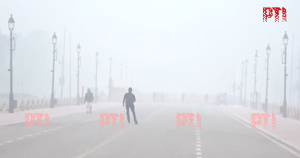
VIDEO | Air quality stays in 'very poor' category in Delhi-NCR. Visuals from India Gate. pic.twitter.com/hOtsCFWPo9
— Press Trust of India (@PTI_News) December 2, 2023
Conclusion: A Call to Action
In conclusion, the ‘Very Poor’ AQI in Delhi demands immediate attention and concerted efforts from all stakeholders. The collaboration of the government, media, communities, and individuals is crucial to effect meaningful change. Only through collective action can Delhi hope to breathe cleaner air and ensure a healthier future for its residents.
Frequently Asked Questions (FAQs):
1. What does a ‘Very Poor’ AQI mean?
A ‘Very Poor’ AQI indicates a high level of air pollution, posing health risks, especially for sensitive groups.
2. How can individuals contribute to improving air quality?
Individuals can contribute by using public transport, reducing energy consumption, and adopting sustainable lifestyle practices.
3. Are there any long-term health risks associated with prolonged exposure to poor air quality?
Yes, long-term exposure to polluted air is linked to chronic health conditions, including cardiovascular diseases and reduced lung function.
4. What government measures are in place to address air pollution in Delhi?
The government has implemented measures like the Odd-Even scheme, dust control at construction sites, and plans for promoting electric vehicles.
5. How can communities get involved in the fight against air pollution?
Communities can engage in awareness programs, participate in tree-planting initiatives, and support policies advocating for cleaner air.