
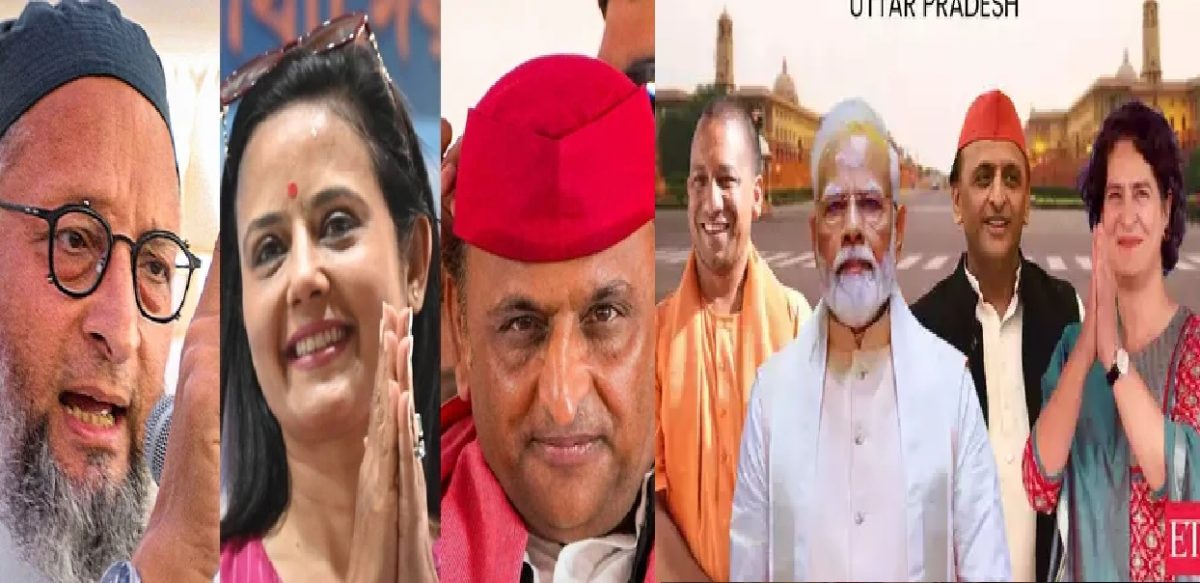
As the world’s largest democracy gears up for one of its most crucial exercises, the 2024 Lok Sabha Election unfolds in phases, each bearing its own significance and impact. With Phase 4 on the horizon, the Indian electorate braces itself for another pivotal moment in shaping the nation’s political landscape. Let’s delve into the dynamics of this phase, spotlighting the key players and stakes at hand.
The Electorate: Phase 4 encompasses a diverse array of regions across several states, including populous states like Uttar Pradesh, Maharashtra, West Bengal, and Bihar, among others. With over 500 parliamentary constituencies in play, Phase 4 witnesses millions of eligible voters exercising their democratic right.
Key Players:
- Political Parties: The battleground in Phase 4 sees a fierce contest between various political parties vying for dominance. From the incumbent Bharatiya Janata Party (BJP) to the Indian National Congress (INC), regional heavyweights like the Trinamool Congress (TMC) in West Bengal and the Samajwadi Party (SP) in Uttar Pradesh, the political spectrum is vibrant and competitive.
- Prime Ministerial Candidates: While the focus remains on the national parties and their leadership, regional leaders also step into the spotlight. As Prime Minister Narendra Modi seeks re-election, his leadership and policies come under scrutiny. Opposition leaders like Rahul Gandhi of the INC and regional stalwarts like Mamata Banerjee and Akhilesh Yadav aim to challenge the BJP’s dominance in their respective strongholds.
- Regional Dynamics: Phase 4 witnesses unique regional dynamics that often play a decisive role in determining the election outcome. From caste equations in Uttar Pradesh to the emotive issue of Hindutva in states like Maharashtra, each region presents its own set of challenges and opportunities for political players.
Stakes:
- National Agenda: With Phase 4 covering a significant portion of parliamentary constituencies, the election outcome here could tilt the national balance of power. Key issues such as economic revival post-pandemic, national security, and social welfare schemes are at the forefront of the electoral discourse.
- State Politics: Beyond national considerations, Phase 4 also holds immense significance for state politics. Regional parties aim to consolidate their hold over their respective states, while the BJP seeks to expand its footprint further.
- Demographic Shifts: Phase 4 reflects the changing demographics and aspirations of India’s electorate. With a growing youth population and increasing urbanization, political parties must adapt their strategies to resonate with evolving voter preferences.
In conclusion, Phase 4 of the 2024 Lok Sabha Election emerges as a crucial juncture in India’s democratic journey. As voters across diverse regions cast their ballots, the political landscape stands poised for transformation. With key players locked in a battle for supremacy and high stakes on the line, the outcome of Phase 4 is destined to shape the nation’s trajectory for years to come.