
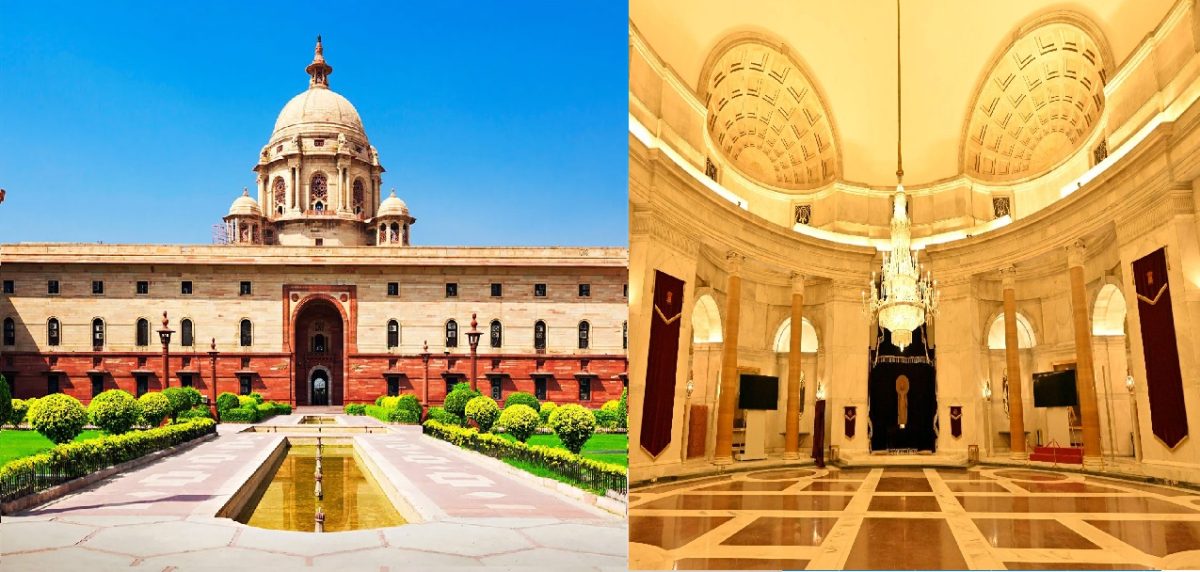
Rashtrapati Bhavan, the official residence of the President of India, has recently undergone a significant renaming of its iconic halls. One of the most notable changes is the renaming of the historic ‘Durbar Hall’ to ‘Ganatantra Mandap.’ This change reflects a deeper cultural and historical resonance, aligning the names with India’s heritage and values.
The Renaming Initiative: The initiative to rename the halls at Rashtrapati Bhavan is part of a broader effort to celebrate India’s rich cultural heritage and democratic ethos. The new names aim to reflect the spirit of the Indian Republic and the principles of democracy that the country upholds.
Axis Bank Shares Drop Over 5% Post-Q1 Results: Is It a Buying Opportunity
From ‘Durbar Hall’ to ‘Ganatantra Mandap’: The renaming of ‘Durbar Hall’ to ‘Ganatantra Mandap’ holds symbolic significance. The term ‘Durbar,’ historically associated with royal courts, is being replaced with ‘Ganatantra,’ which means ‘Republic’ in Sanskrit. ‘Mandap’ refers to a pavilion or hall, commonly used in Indian architecture. Together, ‘Ganatantra Mandap’ signifies a space dedicated to the Republic, emphasizing the democratic values of the nation.
Significance of the Change: The renaming reflects a conscious effort to move away from colonial-era terminologies and embrace indigenous names that resonate with India’s post-independence identity. It highlights the country’s journey from colonial rule to becoming a sovereign, democratic republic.
Kargil Vijay Diwas 2024: Date, Historical Background, and Significance of the Commemoration
Other Renamed Halls: In addition to ‘Durbar Hall,’ other halls within Rashtrapati Bhavan have also been renamed to better reflect India’s cultural and historical narrative. These changes are part of a broader initiative to recontextualize the heritage of Rashtrapati Bhavan, ensuring that the names of these iconic spaces align with India’s cultural ethos and democratic values.
Public Reaction: The renaming has been met with positive responses from various quarters, with many appreciating the effort to infuse Indian cultural elements into the names of such important national spaces. It serves as a reminder of India’s journey towards self-governance and the values that underpin its democracy.
Conclusion: The renaming of the halls at Rashtrapati Bhavan, particularly the transformation of ‘Durbar Hall’ into ‘Ganatantra Mandap,’ marks a significant cultural and symbolic shift. It underscores India’s commitment to honoring its rich heritage and democratic principles. As the country moves forward, these changes serve as a testament to India’s evolving identity and its reverence for its cultural roots.