
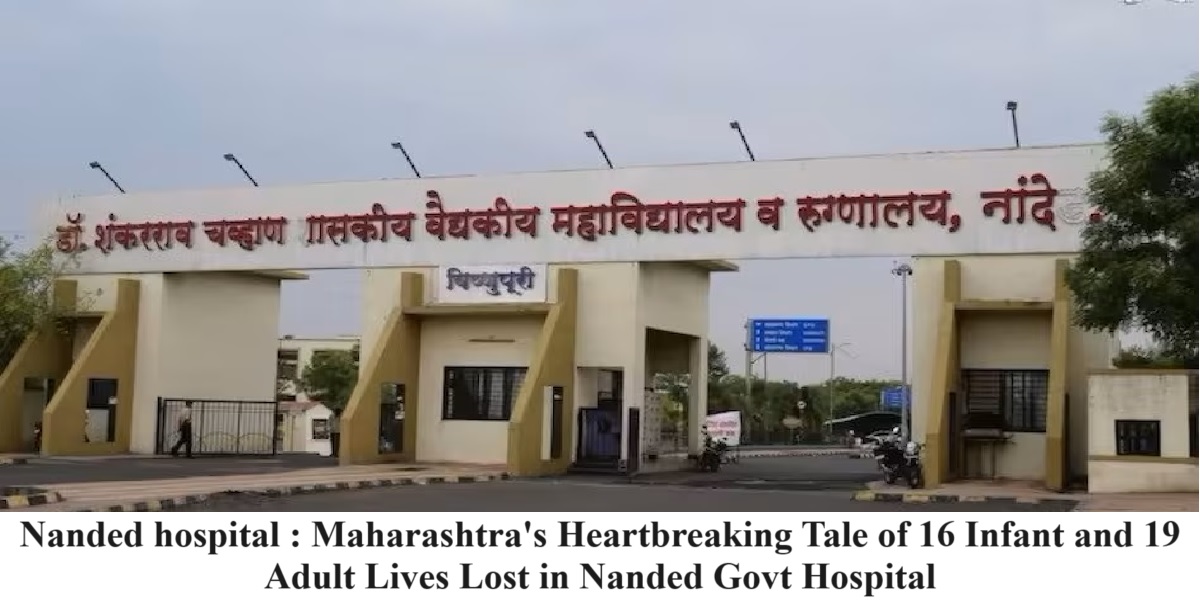
Medical Tragedy Unfolds in Maharashtra: 35 Lives Lost Due to Doctor and Medicine Shortage in Nanded Govt Hospital
In the bustling heart of Maharashtra, where life usually thrives, a dark tragedy recently overshadowed the usual vibrancy. Nanded government hospital, once a beacon of hope, found itself marred by an unspeakable crisis – a profound scarcity of doctors and life-saving medications. The consequences were devastating: 16 innocent infants and 19 helpless adults lost their lives, highlighting the severe challenges faced by India’s healthcare system.
In a heartbreaking incident that shook the very foundations of healthcare in Maharashtra, a medical tragedy unfolded at the Nanded government hospital, claiming the lives of 35 individuals, including 16 infants and 19 adults. This devastating event has illuminated the pressing issues within India’s healthcare system, shedding light on the desperate need for immediate reforms and increased support for medical facilities, especially in rural areas.
Understanding the Crisis: A Tragedy Beyond Words
1. Insufficient Medical Personnel: A Cry for Help
The hospital’s corridors echoed with cries for help, but there were not enough medical personnel to answer. A severe shortage of doctors meant that patients, especially the fragile infants in the neonatal unit, were left unattended, their pleas falling on deaf ears.
2. Depleting Medicine Supplies: A Lethal Void
Imagine a hospital without essential medications. This nightmare turned real for Nanded’s patients. The shortage of vital drugs meant that treatments were delayed or, in some tragic cases, non-existent. Lives that could have been saved slipped away due to the absence of necessary pharmaceuticals.
3. Overwhelmed Healthcare System: Buckling Under Pressure
The healthcare system, once a pillar of support, now crumbled under the weight of overwhelming patient numbers. The sheer volume of people seeking medical assistance exceeded the hospital’s capacity, leaving both patients and medical staff in a state of helplessness.
The Human Cost: Mourning Lives Cut Short
Behind every statistic lies a heartbreaking story. Families mourned the loss of their loved ones – infants who never got the chance to take their first steps, and adults who had dreams unfulfilled. The void left by these lives is immeasurable, and the pain felt by their families unfathomable.
A Call for Urgent Action: We Cannot Afford to Wait
This tragedy in Nanded serves as a stark reminder that immediate action is essential. India’s healthcare system, often lauded for its resilience, is at a breaking point. It’s time for systemic changes, increased funding, and improved resource allocation to prevent such heart-wrenching events from occurring again.
Conclusion: A Glimpse into the Fragility of Life
As we reflect on this devastating incident, we must channel our collective grief into meaningful change. The lives lost in Nanded demand justice not just for them but for every individual relying on our healthcare system. Let their legacy be a catalyst for a stronger, more responsive healthcare network, where no one is denied the right to timely and adequate medical care.
Frequently Asked Questions
1. What led to the shortage of doctors in Nanded government hospital? The shortage of doctors in Nanded government hospital was primarily due to a lack of recruitment and retention strategies, leading to an inadequate number of medical professionals to meet the growing demands.
2. Were there any efforts made to address the medicine shortage issue? Efforts were made, but they fell short due to bureaucratic hurdles and delayed procurement processes. The result was a critical shortage of essential medications.
3. How can the community support the affected families? Communities can support affected families by raising awareness, organizing fundraisers for medical aid, and pressuring authorities for immediate reforms in the healthcare system.
4. What is the government doing to prevent such tragedies in the future? The government has expressed its condolences and promised investigations. However, comprehensive healthcare reforms, increased funding, and improved infrastructure are essential to prevent similar incidents.
5. How can individuals contribute to improving the healthcare system in their communities? Individuals can contribute by advocating for healthcare reforms, supporting NGOs working in the healthcare sector, and actively participating in community health initiatives to create awareness and provide assistance where needed.