
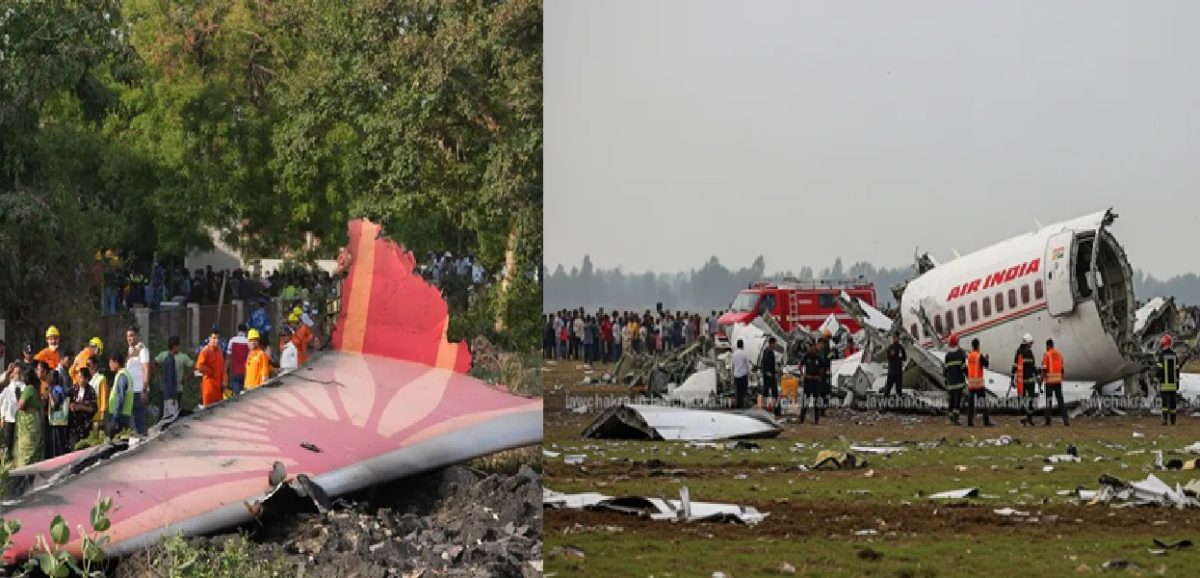
Air India Crash Raises Alarms Over Cockpit Confusion and Critical Fuel Supply Failure, Revealing Flawed Communication and Emergency Response Gaps
The recent Air India crash has sent shockwaves through the aviation industry, not only for the tragic loss it caused but also for the critical systemic issues it has brought to light. Preliminary investigations point to a disturbing combination of cockpit confusion, fuel supply interruption, and communication breakdowns that together contributed to the devastating incident.
According to the initial report by the aviation safety board, the crash occurred when the aircraft experienced a sudden loss of engine power during its approach phase. This loss was traced back to a critical interruption in the fuel flow—most likely due to a mismanagement of the fuel control systems within the cockpit. Investigators believe that the crew may have either inadvertently shut off a key fuel valve or failed to recognize an early warning signal regarding fuel pressure, leading to engine failure at a crucial moment.
One of the most alarming aspects of the report is the suggestion that cockpit crew members were not aligned in their understanding of the situation. Voice recordings from the black box reportedly indicate a growing confusion between the pilot and co-pilot as alarms sounded, with contradictory instructions and delayed responses. This cockpit confusion, experts suggest, stemmed from a lack of clear communication protocol and possibly inadequate training for managing high-stress fuel-related emergencies.
Aviation analysts are also questioning whether the aircraft’s onboard systems provided timely and accurate alerts. Some have noted that the current fuel monitoring interface used in this particular aircraft model can be difficult to interpret quickly, especially during critical flight phases. If confirmed, this could prompt a re-evaluation of the instrumentation and alert system designs used across the fleet.
Compounding the problem further was the delay in emergency response. Eyewitnesses and air traffic control logs reveal that ground rescue teams were not immediately dispatched after the mayday signal, resulting in a lag that might have worsened the aftermath. This has raised concerns about the efficiency and readiness of airport emergency protocols, particularly in high-traffic international hubs.
Air India has stated that it is cooperating fully with authorities and has grounded similar aircraft pending further inspection. A spokesperson emphasized the airline’s commitment to safety and transparency, noting that internal reviews and retraining programs are already underway.
The incident has renewed calls for comprehensive audits across Indian civil aviation, focusing on crew training, cockpit automation systems, and emergency response coordination. Industry watchdogs argue that while human error is often the final link in the chain, it is systemic flaws—like inadequate design, poor communication protocols, and lax safety oversight—that lay the foundation for such tragedies.
As investigations continue, the aviation community awaits the final report with a sense of urgency. This crash, tragic as it is, could serve as a wake-up call for regulators, manufacturers, and airlines to reassess and fortify safety systems before another preventable accident occurs.