
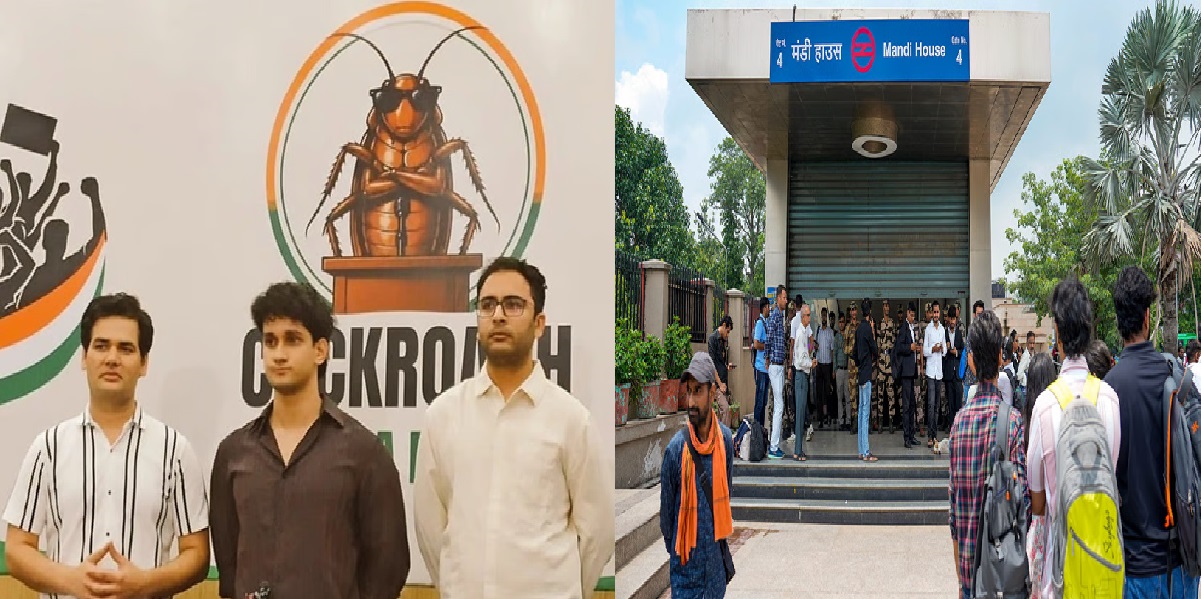
Delhi Metro Halts Entry, Exit at 16 Stations Citing Security Concerns; Commuters Face Disruption Across National Capital Thursday Morning
On Thursday morning, the Delhi Metro Rail Corporation (DMRC) announced the suspension of entry and exit at 16 metro stations across the national capital, citing “security reasons.” The decision, which came into effect at 7:30 a.m., immediately impacted thousands of daily commuters who rely on the metro network as their primary mode of transport. The sudden closure created confusion and frustration among passengers, many of whom were caught unaware while heading to offices, schools, and other destinations.
The DMRC clarified that train services were not entirely halted; trains continued to run, but passengers were unable to enter or exit at the affected stations. This selective restriction was implemented as part of precautionary measures coordinated with security agencies. While the corporation refrained from disclosing specific threats, officials emphasized that the move was necessary to ensure public safety in light of intelligence inputs.
Commuters reported long queues at alternative stations, overcrowded buses, and increased traffic congestion on arterial roads. Social media platforms quickly filled with complaints, photos, and videos showing stranded passengers and chaotic scenes outside closed metro gates. Many expressed anger over the lack of prior notice, arguing that sudden restrictions disrupted work schedules and personal commitments. Others, however, acknowledged the importance of prioritizing safety, even at the cost of inconvenience.
Security personnel were deployed in large numbers at the affected stations, with barricades and patrols visible around entry points. Authorities urged commuters to remain patient and cooperate with instructions. The Delhi Police, in coordination with DMRC, monitored the situation closely, assuring citizens that the restrictions were temporary and would be lifted once the security review was complete.
The incident highlights the vulnerability of urban transport systems to security challenges. The Delhi Metro, which carries millions of passengers daily, has often been considered a potential target due to its scale and visibility. Past drills and advisories have prepared staff for emergency scenarios, but Thursday’s restrictions marked one of the rare occasions when such measures directly disrupted public movement on a large scale.
Experts noted that while the DMRC’s swift action demonstrated preparedness, the lack of transparent communication left commuters anxious. Clearer advisories, they argued, could help balance security needs with public trust. For many, the episode served as a reminder of the delicate balance between convenience and safety in a city where mass transit is indispensable.
By late morning, officials hinted at a phased reopening, though no specific timeline was provided. Commuters were advised to check DMRC’s official channels for updates and plan alternative routes where possible. As the day progressed, the focus shifted from immediate disruption to broader questions about how urban infrastructure can adapt to evolving security concerns without paralyzing daily life.
In essence, Thursday’s suspension underscored both the resilience and fragility of Delhi’s transport lifeline. While the metro continues to symbolize modern connectivity, its temporary closure revealed the extent to which millions depend on its seamless functioning. For now, the city waits for clarity, balancing frustration with cautious acceptance of measures taken in the name of safety.